

XPS Insulation Board and Where It Works Best
XPS is a closed-cell insulation board known for low water absorption and high compressive strength—ideal for roofs, floors, foundations, and cold rooms
What is XPS Insulation Board
Definition:Extruded Polystyrene (XPS) is a rigid, closed-cell foam insulation board.
Key benefits:thermal insulation, moisture resistance, compressive strength, easy handling.
Common forms:square edge / shiplap / tongue & groove; smooth/embossed surfaces.
Customization:thickness, density grade, board size, OEM packaging.
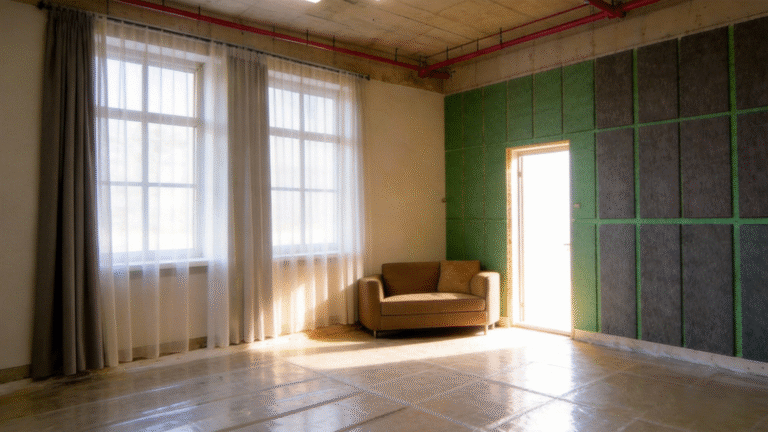
Where XPS Works Best
Inverted Roof / Flat Roof
Under Slab & Foundation Perimeter
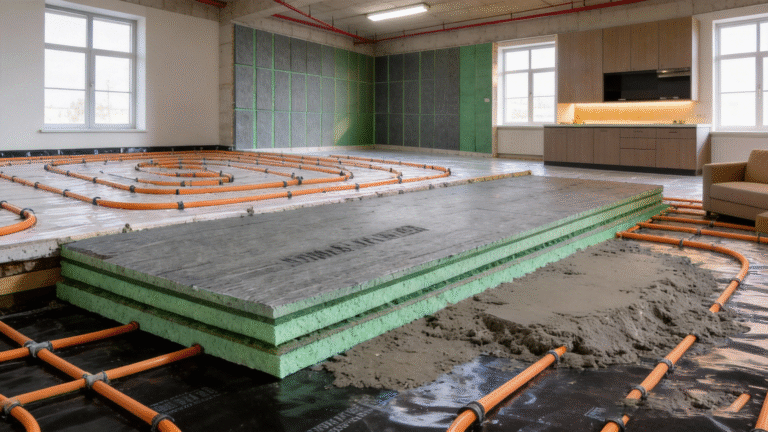
Floors (Residential/Commercial/Industrial)
Cold Storage & Refrigerated Rooms
Wall Insulation Systems
Special Load Areas
Top Applications
Roof Insulation (Inverted/Flat Roofs)
Why XPS: resists moisture, maintains insulation performance in wet conditions, supports loads above membrane.
Recommended: higher compressive strength grade; shiplap edges to reduce thermal bridging.
Notes: follow roof system design; ensure proper drainage and protection layers.
Under Slab & Foundations
Why XPS: low water absorption + compressive strength for slabs and perimeter insulation.
Recommended: high compressive grade; thickness per climate/energy code.
Notes: protect from UV before backfill.
Floors (Residential/Commercial)
Why XPS: load-bearing insulation reduces heat loss and improves comfort.
Recommended: compressive grade matched to expected loads.
Cold Storage / Refrigerated Rooms
Why XPS: moisture resistance helps limit performance loss; suitable for low-temperature environments .
Recommended: tight joint edges + vapor barrier design per system.
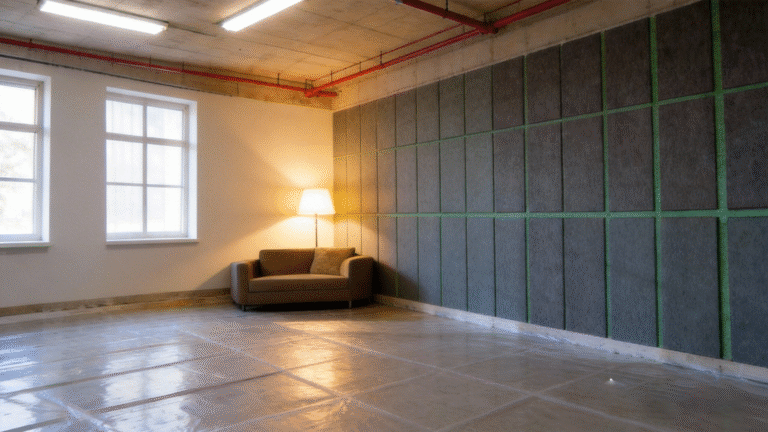
Wall Applications (Specified Systems)
Why XPS: stable board, easy installation.
Recommended: choose density/finish compatible with the facade.
Notes: fire compliance must match local regulations
Choose Duolong with confidence
Duolong focuses on the manufacturing and supply of XPS (extruded polystyrene) insulation boards for construction projects, distributors, and export customers. With a closed-cell structure, XPS delivers low thermal conductivity, low water absorption, and strong compressive performance—making it a practical solution for areas that face moisture and long-term loads. Typical applications include inverted and flat roofs, underfloor heating systems, slab-on-grade floors, basement perimeter insulation, foundations, and cold storage facilities where stable insulation and condensation control matter.
At Duolong, we pay close attention to two things buyers care about most: batch consistency and on-time delivery. During production, we control key indicators such as thickness tolerance, density uniformity, and compressive strength, supported by routine inspection and record keeping. This helps contractors install with confidence and helps project owners reduce the risk of performance variation across different shipments.
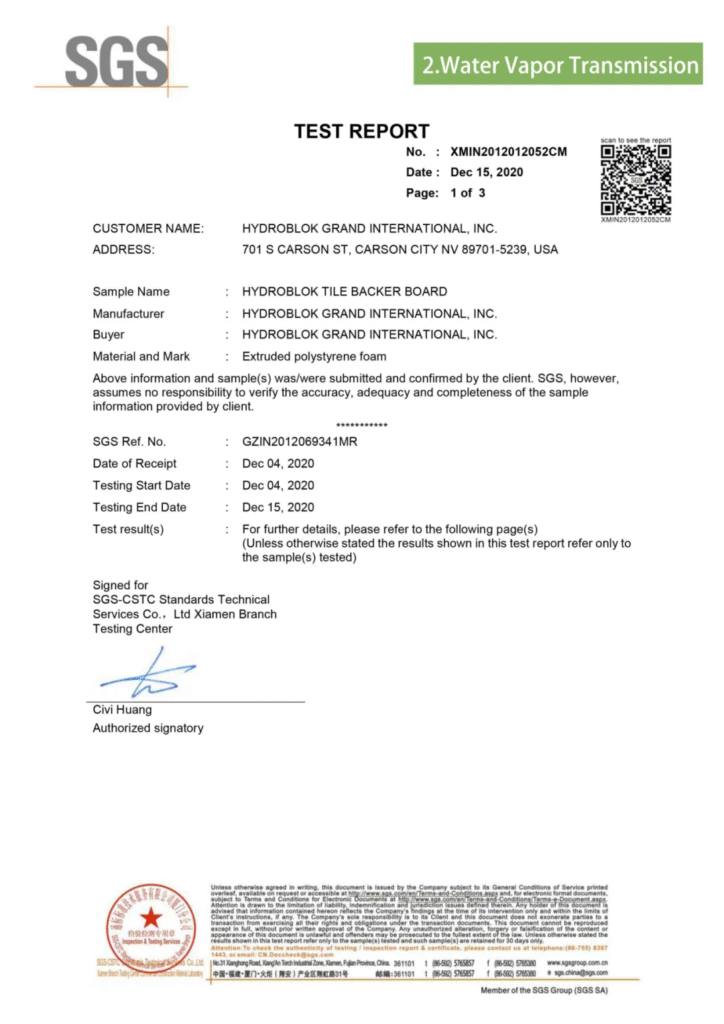
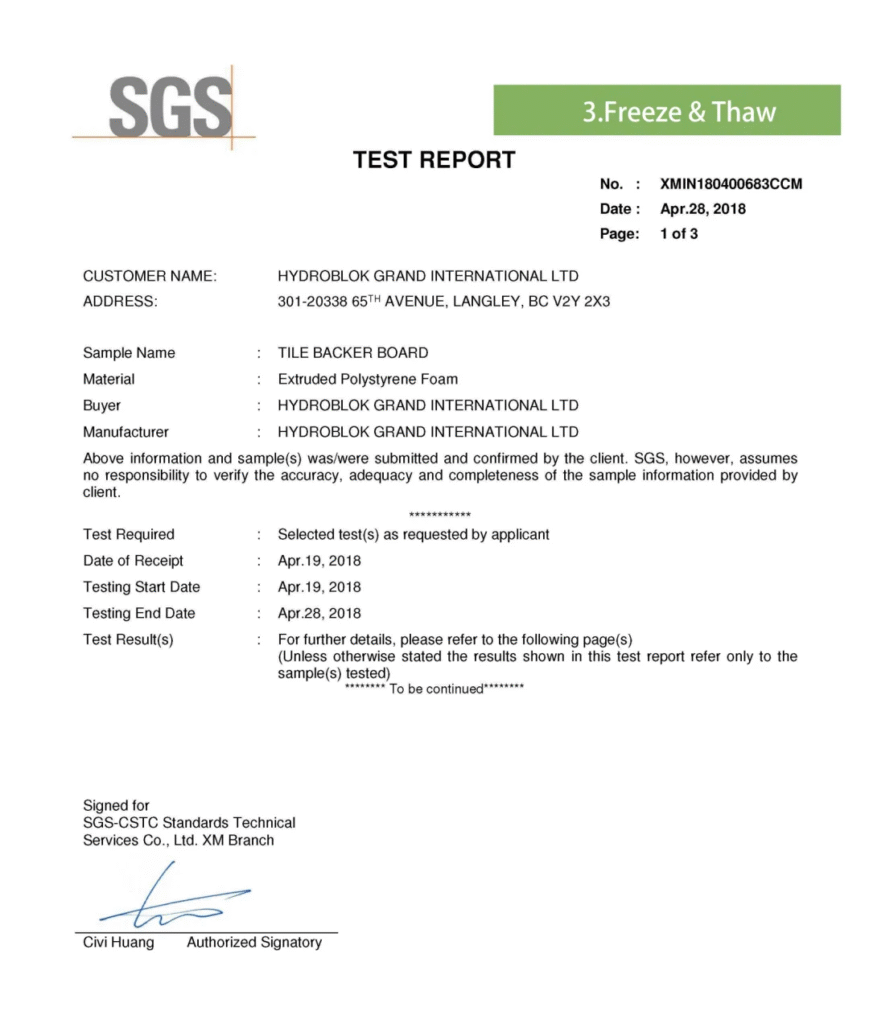
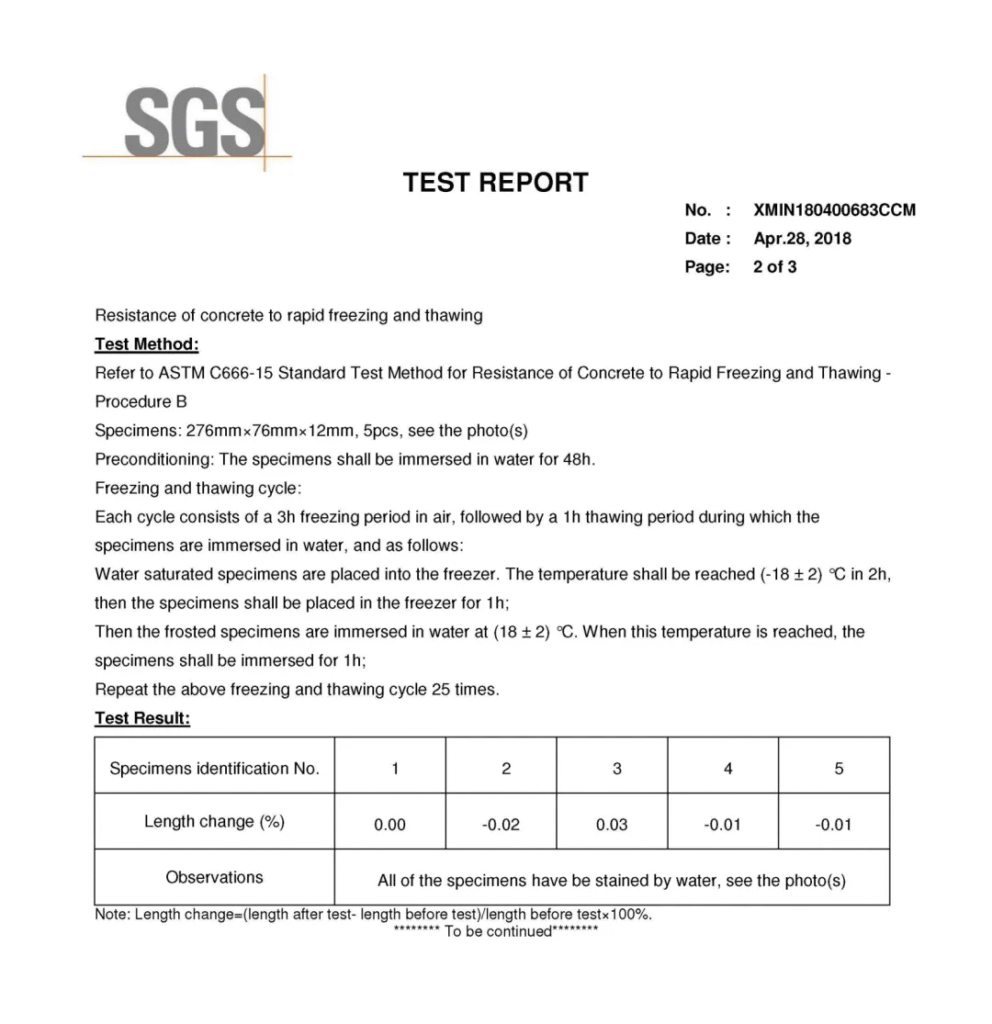
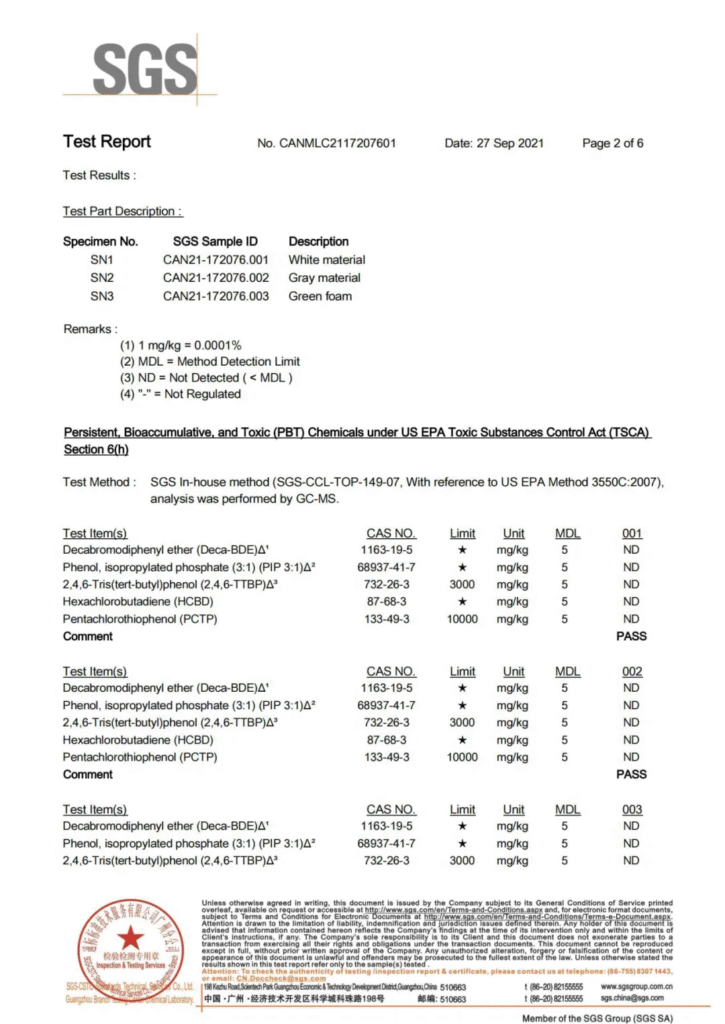
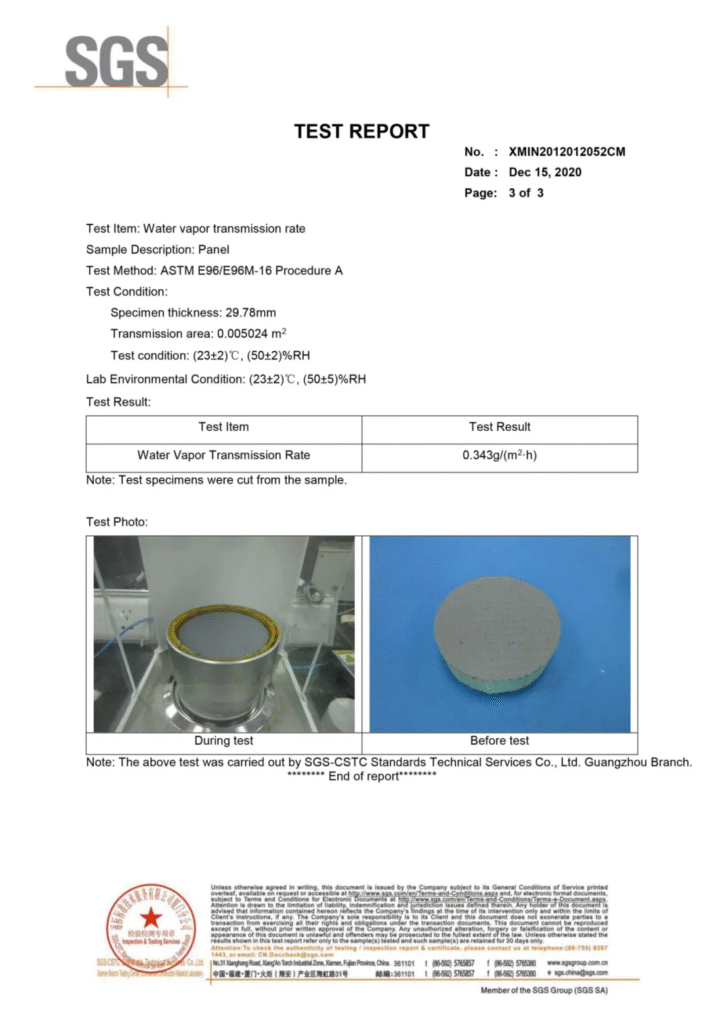
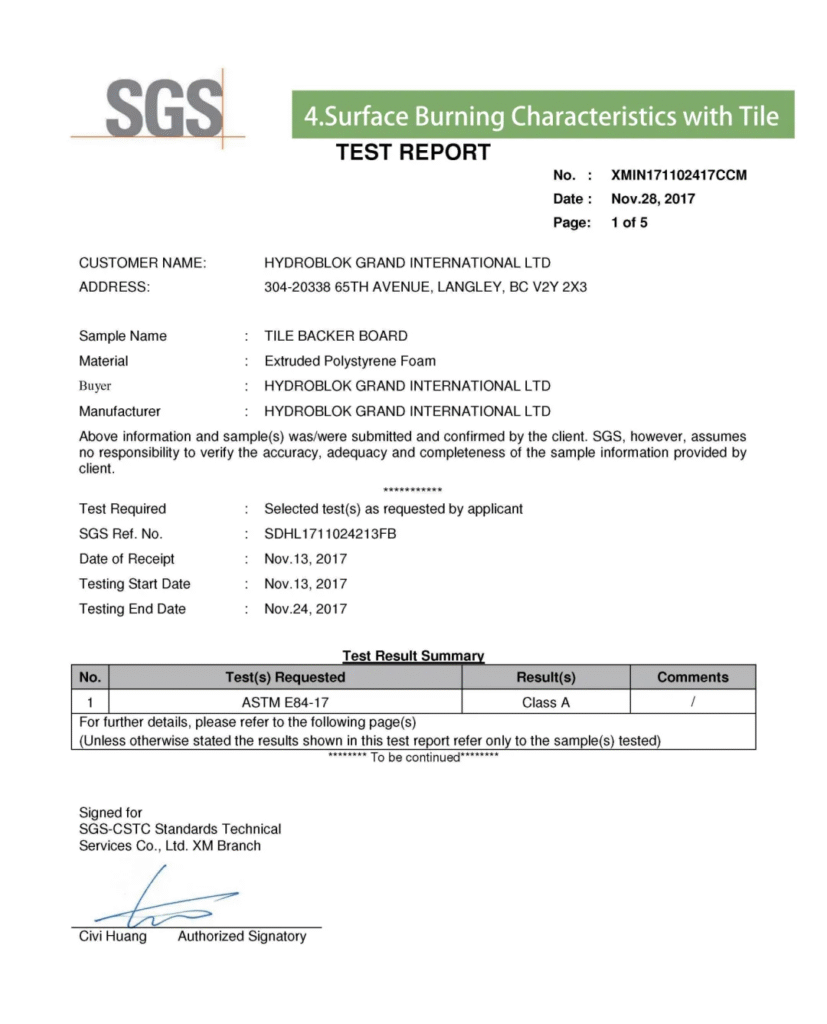
To make procurement smoother, Duolong provides clear documentation aligned with B2B needs, including product datasheets, MSDS, and test reports when available. These materials support tendering, inspection, and customs clearance, saving time and preventing back-and-forth communication. We also support customization for different markets and channels, including board dimensions, colors, edge profiles (square edge, shiplap, tongue-and-groove), as well as OEM labeling and packaging.
From sampling to mass production, our workflow is straightforward: confirm one specification sheet, one packing standard, and one delivery schedule. We can also offer practical container loading suggestions to improve space utilization and reduce transit damage. Choosing Duolong means choosing stable quality, complete documentation, flexible customization, and dependable execution—so your projects and repeat orders are easier to manage.
FAQ Questions and Answers
Where does XPS insulation board work best?
XPS performs best in roofs, floors , basements/foundations, and cold storage where high compressive strength and low water absorption are required. Tell us your application and we will recommend the right grade.
How do I choose the right compressive strength (kPa)?
Select compressive strength based on load conditions. For heavy-duty floors and under-slab use, choose a higher kPa grade. Share your loads/structure details for a recommendation.
What thickness should I use?
Thickness depends on climate zone, target thermal requirement, and available space in the assembly. Provide your project location and insulation target, and we will suggest an appropriate thickness range.
How is thermal conductivity tested, and will it change over time?
Thermal conductivity is reported based on standardized testing. We can provide a Technical Data Sheet (TDS) and test reports. XPS’s closed-cell structure supports stable long-term insulation performance when installed correctly.
Is higher density always better?
Not necessarily. Density should match the application. Focus on the performance that matters most: compressive strength, thermal conductivity, water absorption, and dimensional stability.
Can XPS be used on exterior walls?
Exterior wall use depends on local building codes and system requirements, especially for fire safety. Share your project location and compliance requirements, and we will confirm suitability and provide supporting documentation.
What fire performance can you provide, and do you have certificates?
We can provide XPS with specified fire performance levels (subject to your required standard) and supply relevant certificates/test reports where applicable. Requirements vary by country and project.
Will XPS absorb water or fail in wet environments?
XPS has a closed-cell structure designed for low water absorption, making it suitable for moisture-prone areas. Proper detailing—joint treatment and protective layers—improves durability.
What surface options are available and how do I choose?
Surface options are selected to match the installation method and system needs. Tell us your construction method , and we will recommend the best surface type.
Do you support customization, samples, and OEM packaging?
Yes—common options include custom thickness/size/grade, sample requests, and OEM labeling/marking Send your specifications and quantity for a quote and lead-time confirmation.