
XPS vs EPS Durability Comparison

Understanding the durability differences between XPS and EPS insulation can guide your material selection for various applications. Explore their strengths and weaknesses to make an informed decision

What Are XPS and EPS Insulations

XPS: Rigid foam board known for moisture resistance and high compressive strength.

EPS: Lightweight foam made from polystyrene beads, offering good insulation but lower moisture resistance.

Durability Comparison: XPS vs EPS

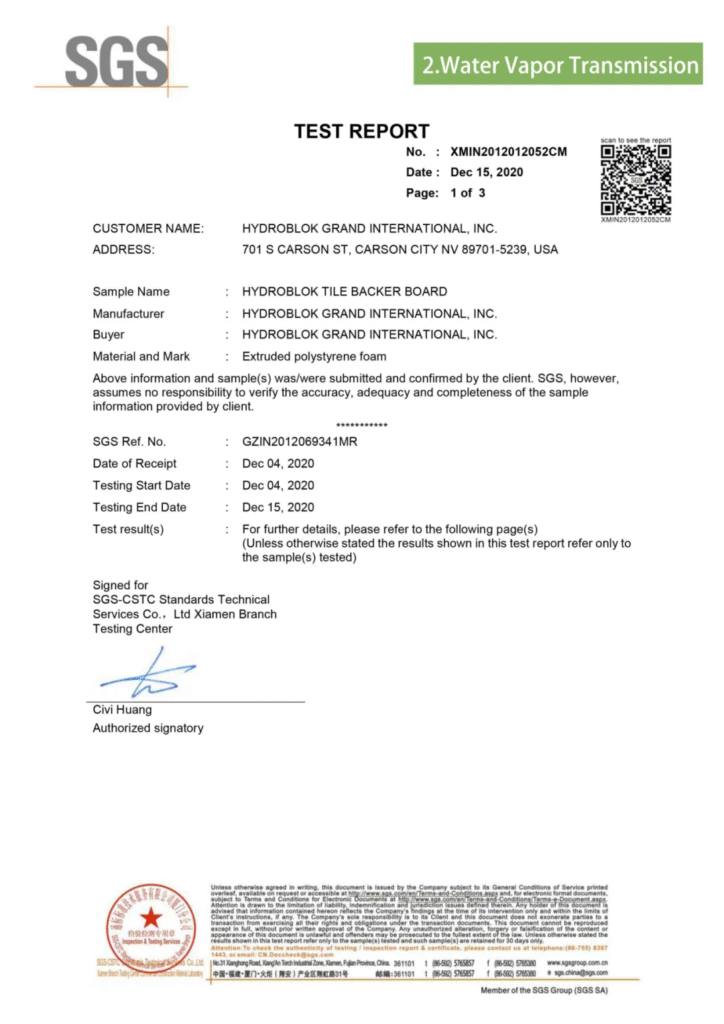
Moisture Resistance: XPS is highly resistant to moisture, making it suitable for below-grade applications, while EPS is more susceptible to moisture absorption.

Compressive Strength: XPS has superior compressive strength, capable of handling heavy loads, whereas EPS has lower strength and may not be ideal for high-load applications.

Thermal Performance: XPS maintains consistent thermal performance and R-value over time, while EPS may experience a decrease in performance when exposed to moisture.

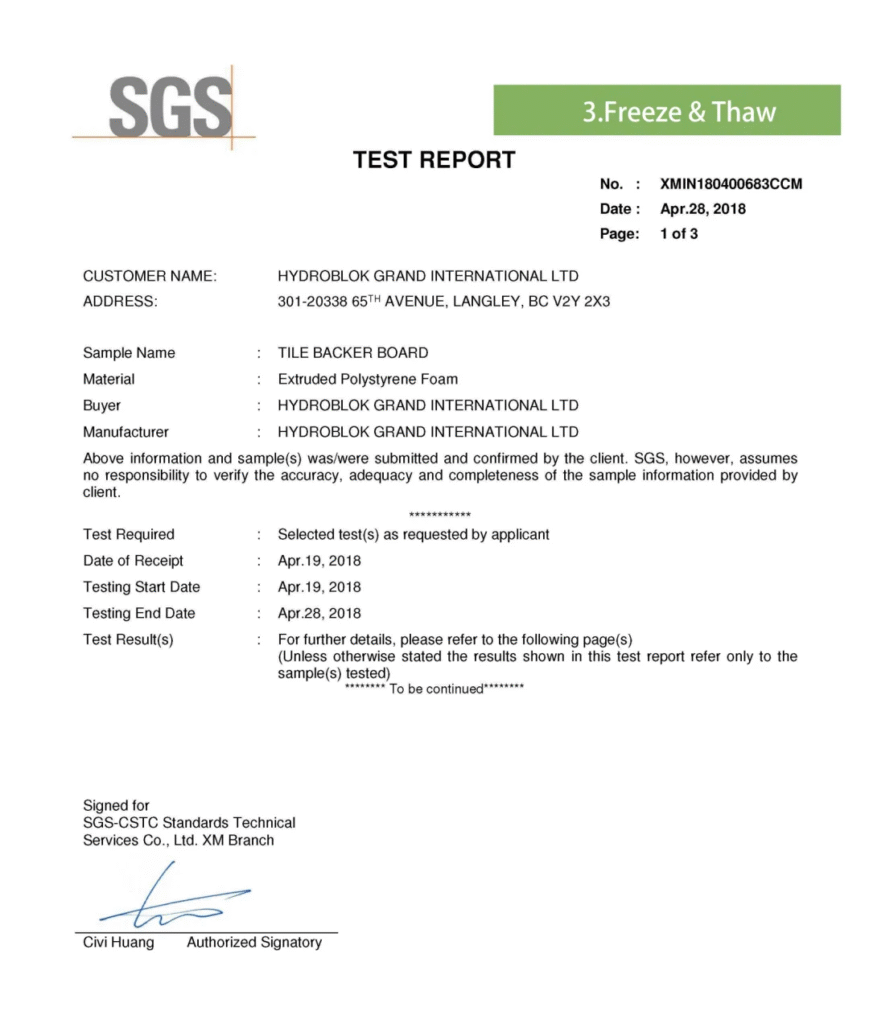
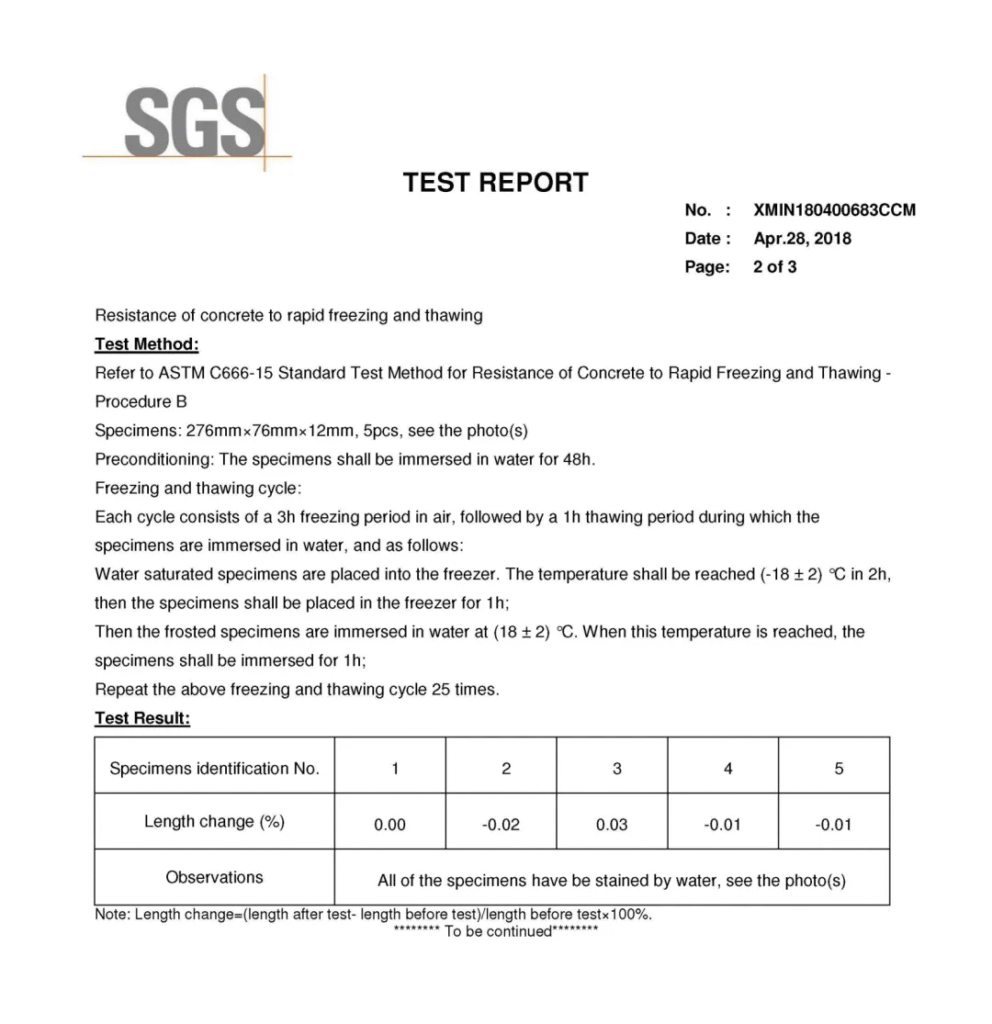
Longevity: XPS is designed for long-term durability in various conditions, while EPS can be compromised by certain environmental factors.

Impact Resistance: XPS offers excellent impact resistance, protecting against damage, while EPS is more prone to damage due to its lightweight structure.

Top Applications

Moisture Resistance:

XPS: Highly resistant to moisture absorption, making it suitable for below-grade applications.

EPS: More susceptible to moisture, which can reduce insulation effectiveness over time.

Compressive Strength:

XPS: Superior compressive strength, able to handle heavy loads without deformation.

EPS: Lower compressive strength, which may not be ideal for high-load applications.

Thermal Performance:

XPS: Provides consistent thermal performance over time, maintaining R-value integrity.

EPS: May experience a decrease in thermal performance if exposed to moisture.

Longevity:

XPS: Designed for long-term durability and performance in various conditions.

EPS: While durable, exposure to certain environmental factors can compromise its lifespan.

Impact Resistance:

XPS: Offers excellent impact resistance, protecting against physical damage.

EPS: More prone to damage from impacts due to its lightweight structure.

Choose Duolong with confidence

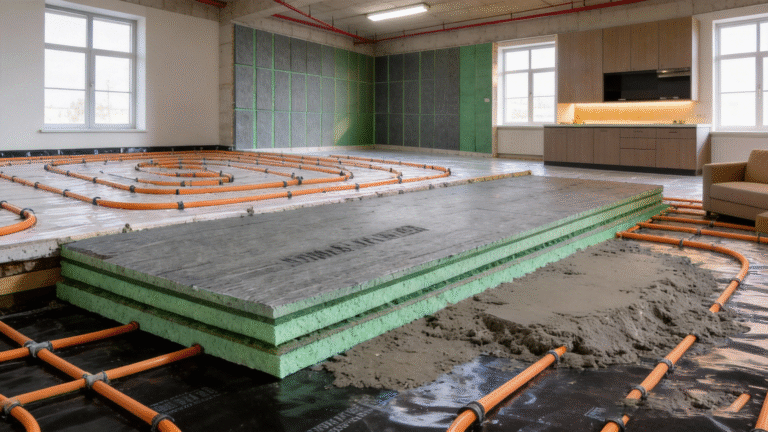
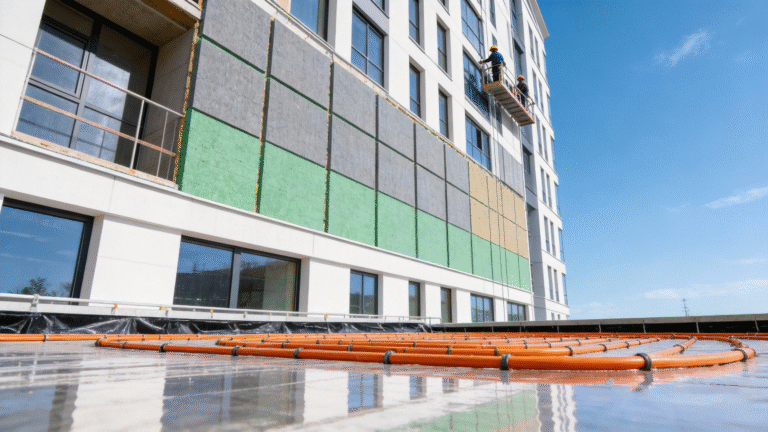
Duolong focuses on the manufacturing and supply of XPS (extruded polystyrene) insulation boards for construction projects, distributors, and export customers. With a closed-cell structure, XPS delivers low thermal conductivity, low water absorption, and strong compressive performance—making it a practical solution for areas that face moisture and long-term loads. Typical applications include inverted and flat roofs, underfloor heating systems, slab-on-grade floors, basement perimeter insulation, foundations, and cold storage facilities where stable insulation and condensation control matter.

At Duolong, we pay close attention to two things buyers care about most: batch consistency and on-time delivery. During production, we control key indicators such as thickness tolerance, density uniformity, and compressive strength, supported by routine inspection and record keeping. This helps contractors install with confidence and helps project owners reduce the risk of performance variation across different shipments.

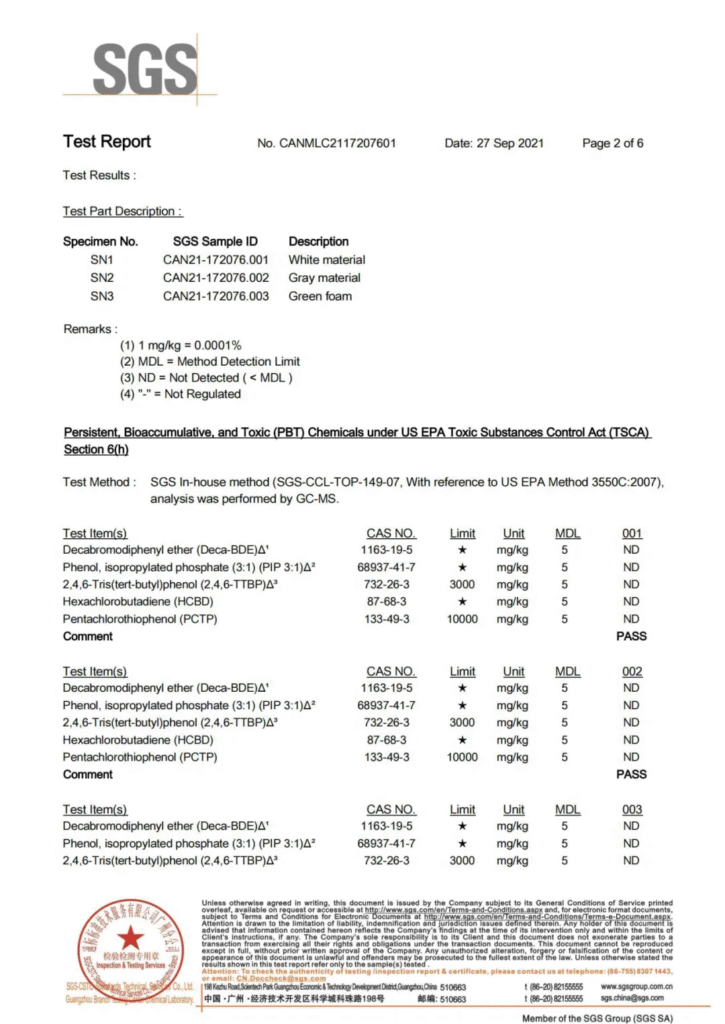
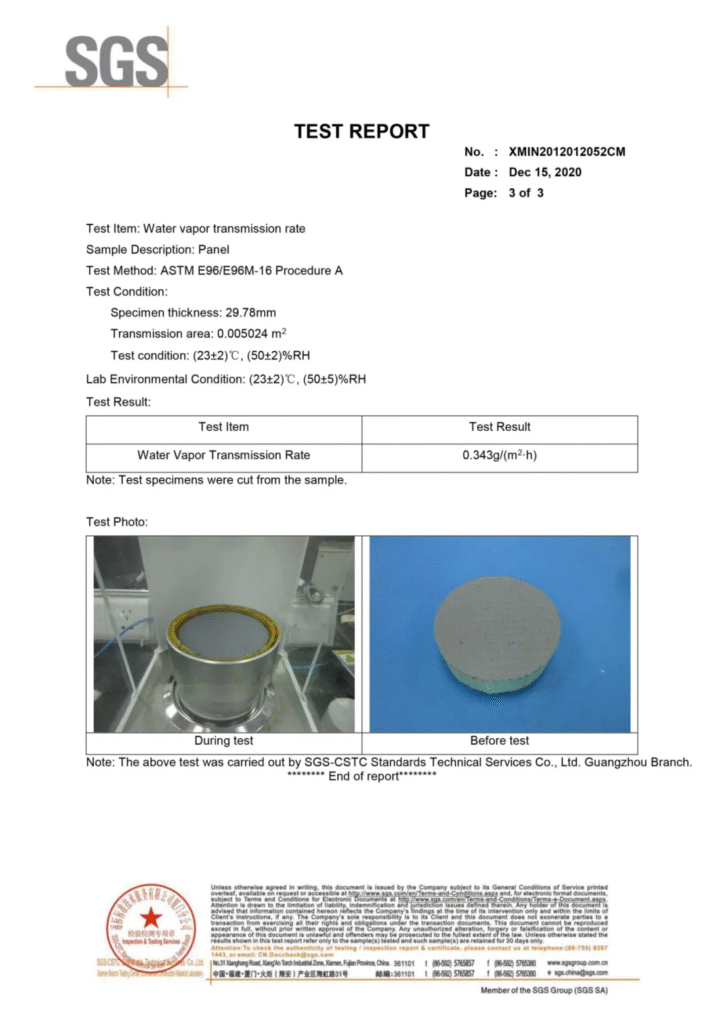
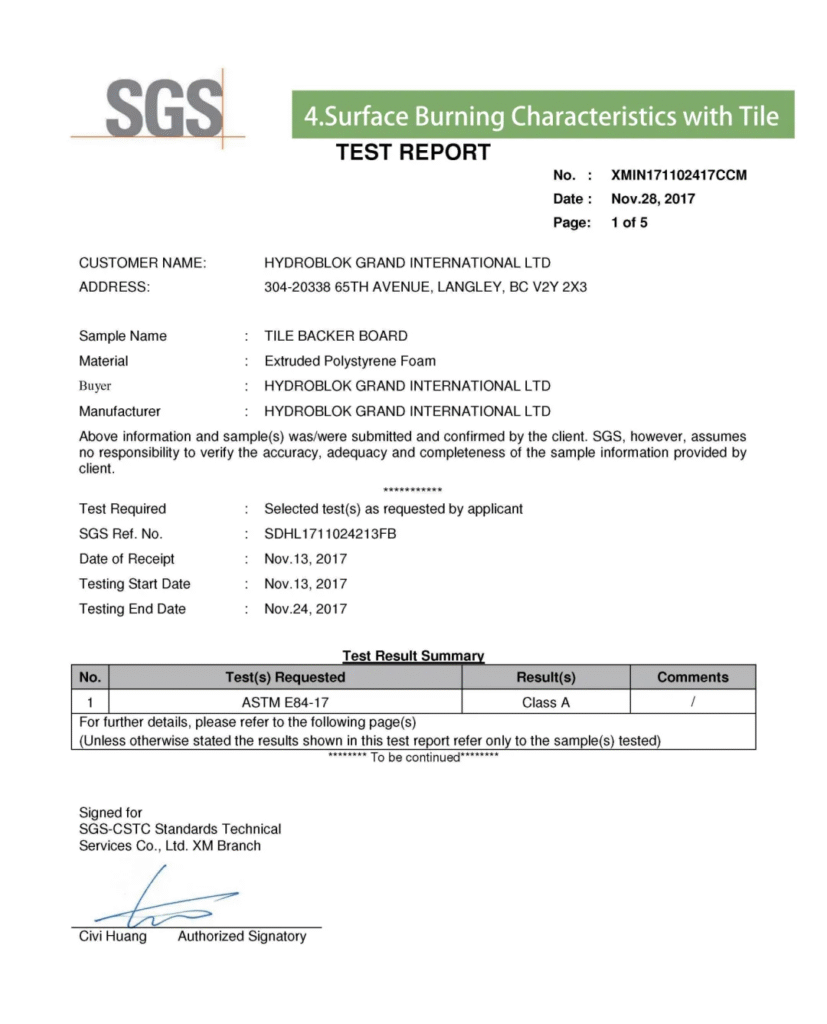
To make procurement smoother, Duolong provides clear documentation aligned with B2B needs, including product datasheets, MSDS, and test reports when available. These materials support tendering, inspection, and customs clearance, saving time and preventing back-and-forth communication. We also support customization for different markets and channels, including board dimensions, colors, edge profiles (square edge, shiplap, tongue-and-groove), as well as OEM labeling and packaging.

From sampling to mass production, our workflow is straightforward: confirm one specification sheet, one packing standard, and one delivery schedule. We can also offer practical container loading suggestions to improve space utilization and reduce transit damage. Choosing Duolong means choosing stable quality, complete documentation, flexible customization, and dependable execution—so your projects and repeat orders are easier to manage.

FAQ Questions and Answers

What is the main difference between XPS and EPS?

XPS is a rigid foam with superior moisture resistance and compressive strength, while EPS is a lightweight foam that is more susceptible to moisture damage.

XPS is recommended for below-grade insulation due to its high moisture resistance and durability.

EPS can be used in some load-bearing applications, but its compressive strength is lower than that of XPS.

Moisture can significantly reduce the thermal performance of EPS, leading to potential insulation failure over time.

XPS is generally more expensive than EPS due to its enhanced properties and performance characteristics.

Both XPS and EPS can be recycled, but XPS typically has a lower environmental impact in terms of global warming potential.

Follow manufacturer guidelines for installation, ensuring proper sealing and joint management to maximize performance.

Duolong provides a range of high-quality XPS and EPS products with expert support to help you choose the right insulation for your project.

Please contact us to request samples and evaluate the materials for your specific application

Contact us with your project details, and we will provide a customized quote based on your insulation requirements.

Get the Right XPS Insulation Solution

Request Your Free XPS Sample & Quote

Get a personalized quote for your project in 24 hours