XPS Exterior Wall Insulation Problems and Solutions
A practical guide to prevent debonding, cracking, moisture/condensation risk, and thermal bridging—by choosing the right XPS grade and detailing the wall system correctly
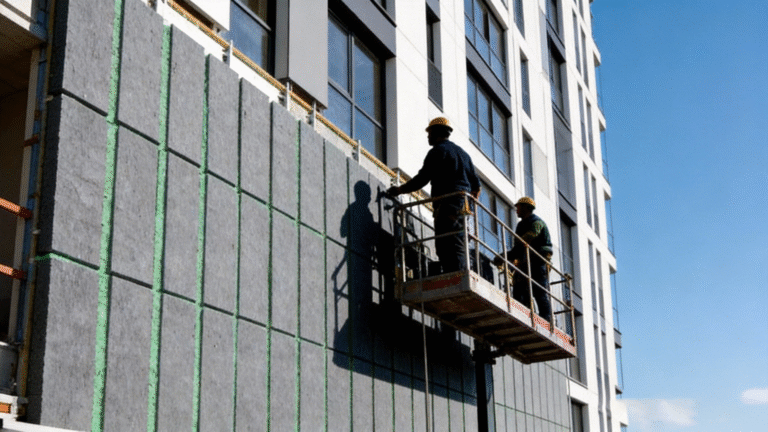
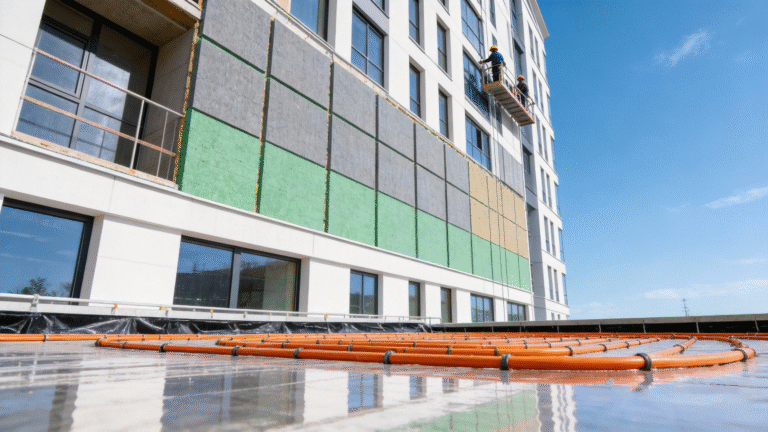
What Is XPS for Exterior Wall Insulation
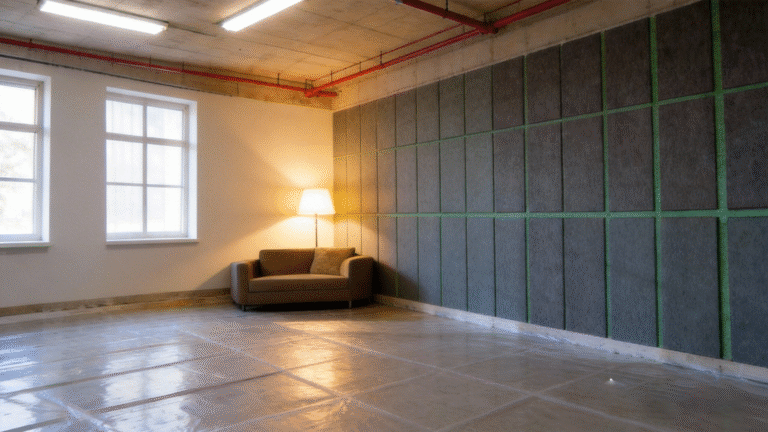
Helps improve continuous insulation performance when properly detailed
Supports stable performance in humid or rain-exposed environments
Available in multiple thicknesses and strength grades for different cladding loads
Can be customized: board size, edge profile (square/shiplap/T&G), OEM labeling, packaging
Where Exterior Wall XPS Systems Most Often Fail
Debonding and hollow spots (surface prep + adhesive compatibility)
Wind suction zones and fastening layout (pull-through / board movement)
Joint lines showing through finishes (gaps, misalignment, missing reinforcement)
Thermal bridging at slabs/columns/fasteners (discontinuous insulation)
Moisture/condensation risk (air leakage + wrong vapor/drainage strategy)
UV and jobsite exposure (surface degradation / board distortion)
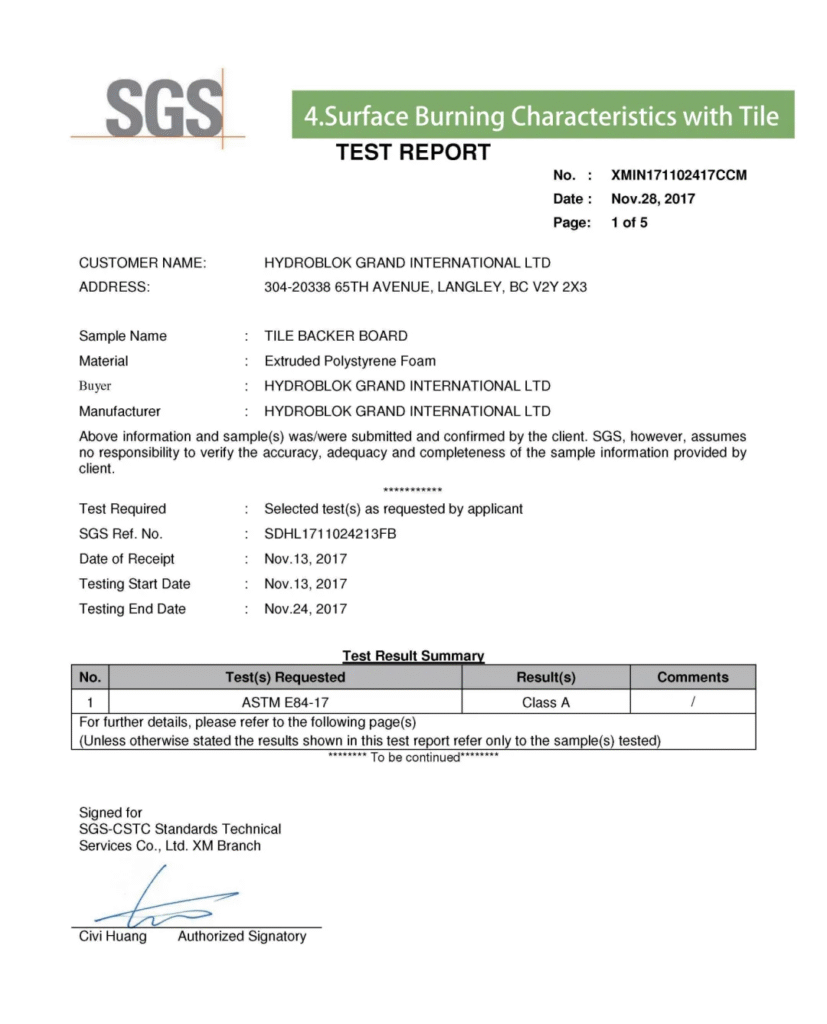
Fire compliance (assembly approvals + fire-stopping details)
Top Applications
Debonding (Boards Coming Loose)
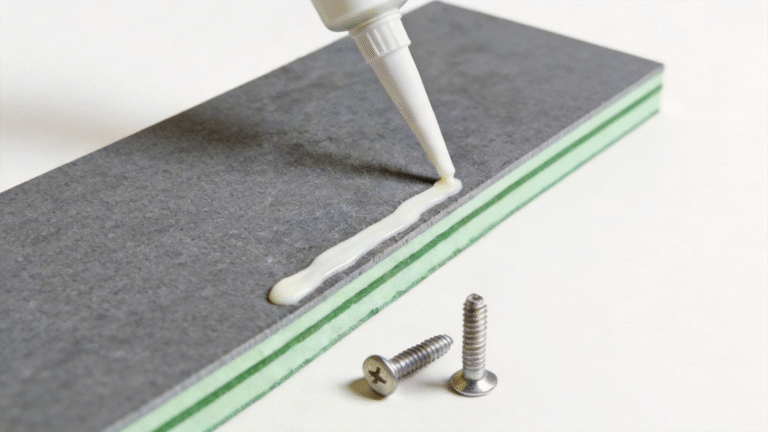
Why it happens: weak substrate, dust, wrong adhesive, insufficient coverage.
Solution: foam-safe adhesive, clean/flat substrate, follow required coverage + mechanical fixing in wind zones.
Result: stronger bond, fewer hollow spots.
Cracking / Joint “Ghosting” on Finish
Why it happens: wide gaps, un-staggered joints, movement, poor reinforcement.
Solution: stagger joints, keep seams tight, fill gaps with compatible foam, use system-approved mesh/base coat.
Result: reduced crack lines and visible seams.
Thermal Bridging at Slabs/Columns/Fasteners
Why it happens: discontinuous insulation and excessive metal penetration.
Solution: continuous insulation detailing, thermal-break components where needed, optimize fastener type/layout.
Result: better comfort and fewer cold spots.
Moisture / Condensation Risk
Why it happens: air leakage, incorrect vapor control, poor drainage behind cladding.
Solution: design the full wall build-up (WRB + drainage + air sealing), confirm vapor strategy by climate zone.
Result: lower risk of wet layers and mold complaints.
UV & Weather Exposure During Construction
Why it happens: prolonged sunlight degrades surface; heat can affect flatness in storage.
Solution: store flat and covered, limit exposure time, protect installed boards quickly with next layer.
Result: more reliable bonding and flatter facade planes.
Choose Duolong with confidence
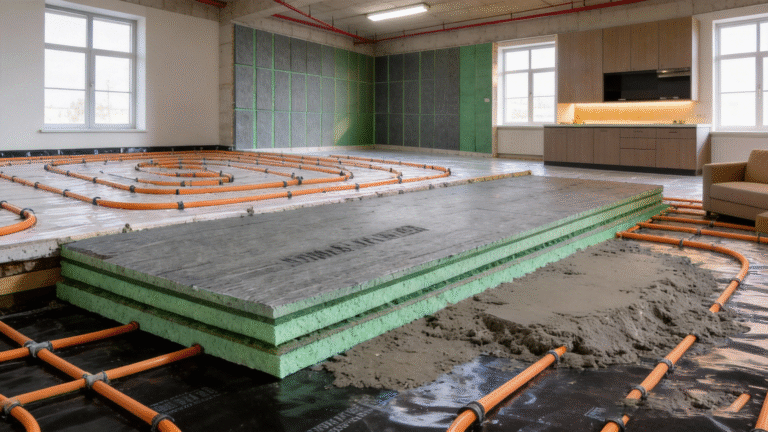
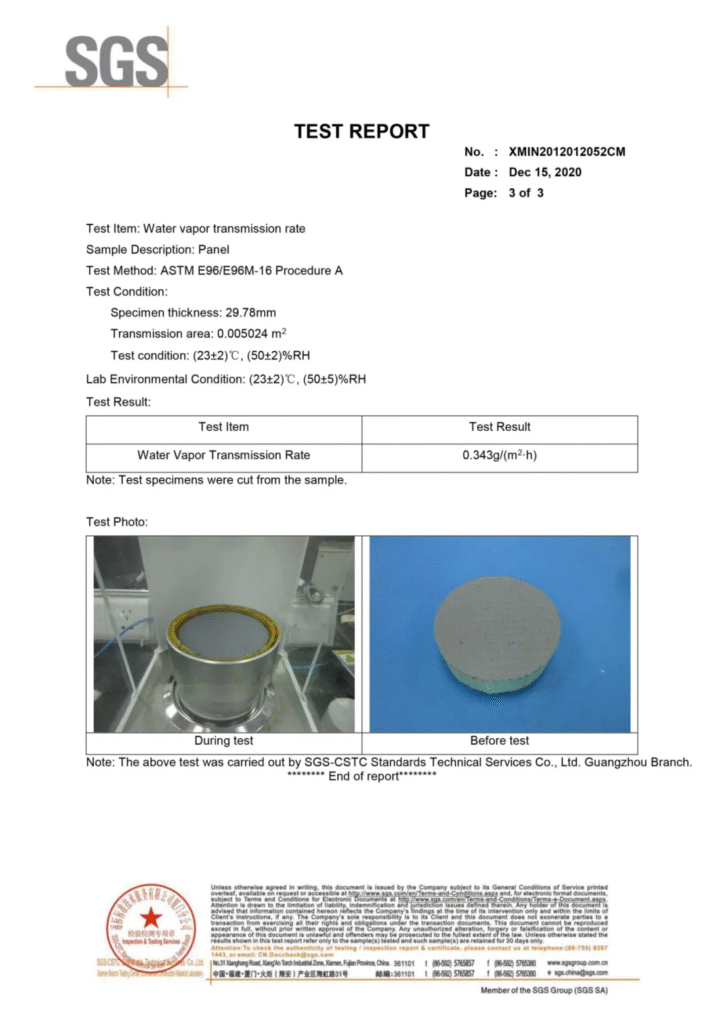
Duolong focuses on the manufacturing and supply of XPS (extruded polystyrene) insulation boards for construction projects, distributors, and export customers. With a closed-cell structure, XPS delivers low thermal conductivity, low water absorption, and strong compressive performance—making it a practical solution for areas that face moisture and long-term loads. Typical applications include inverted and flat roofs, underfloor heating systems, slab-on-grade floors, basement perimeter insulation, foundations, and cold storage facilities where stable insulation and condensation control matter.
At Duolong, we pay close attention to two things buyers care about most: batch consistency and on-time delivery. During production, we control key indicators such as thickness tolerance, density uniformity, and compressive strength, supported by routine inspection and record keeping. This helps contractors install with confidence and helps project owners reduce the risk of performance variation across different shipments.
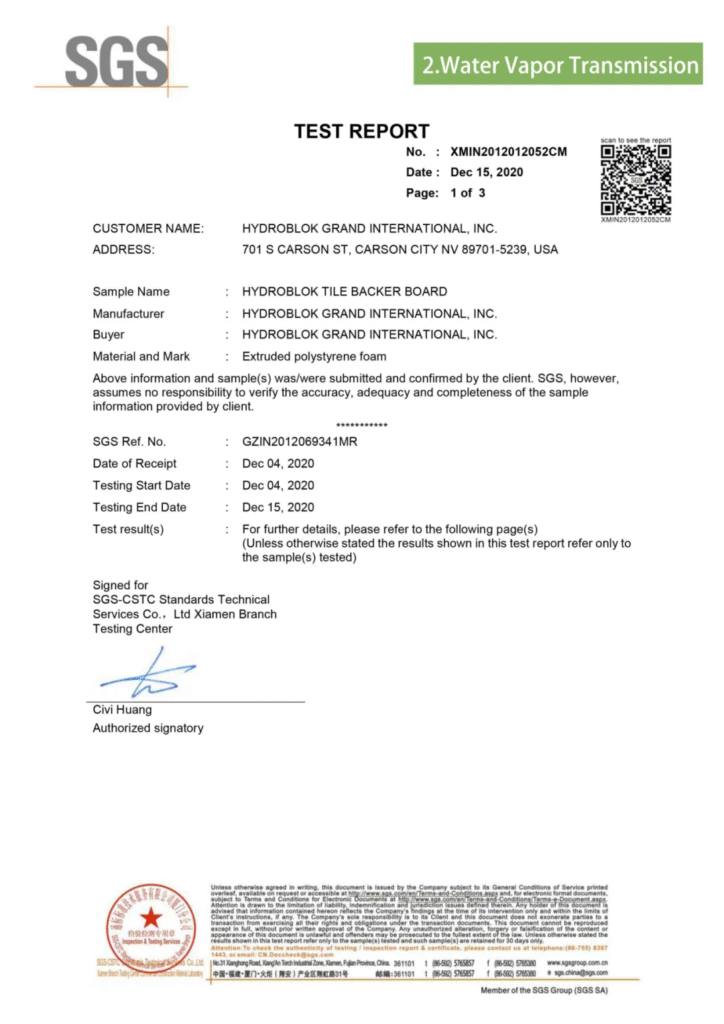
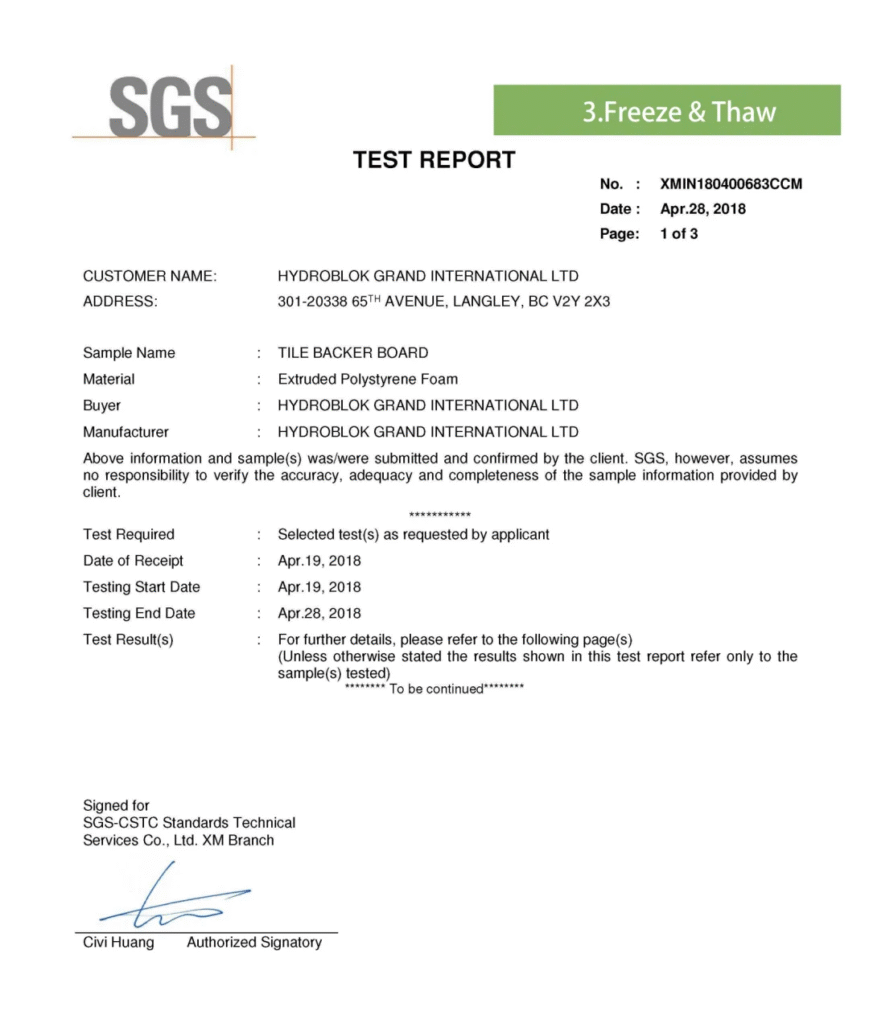
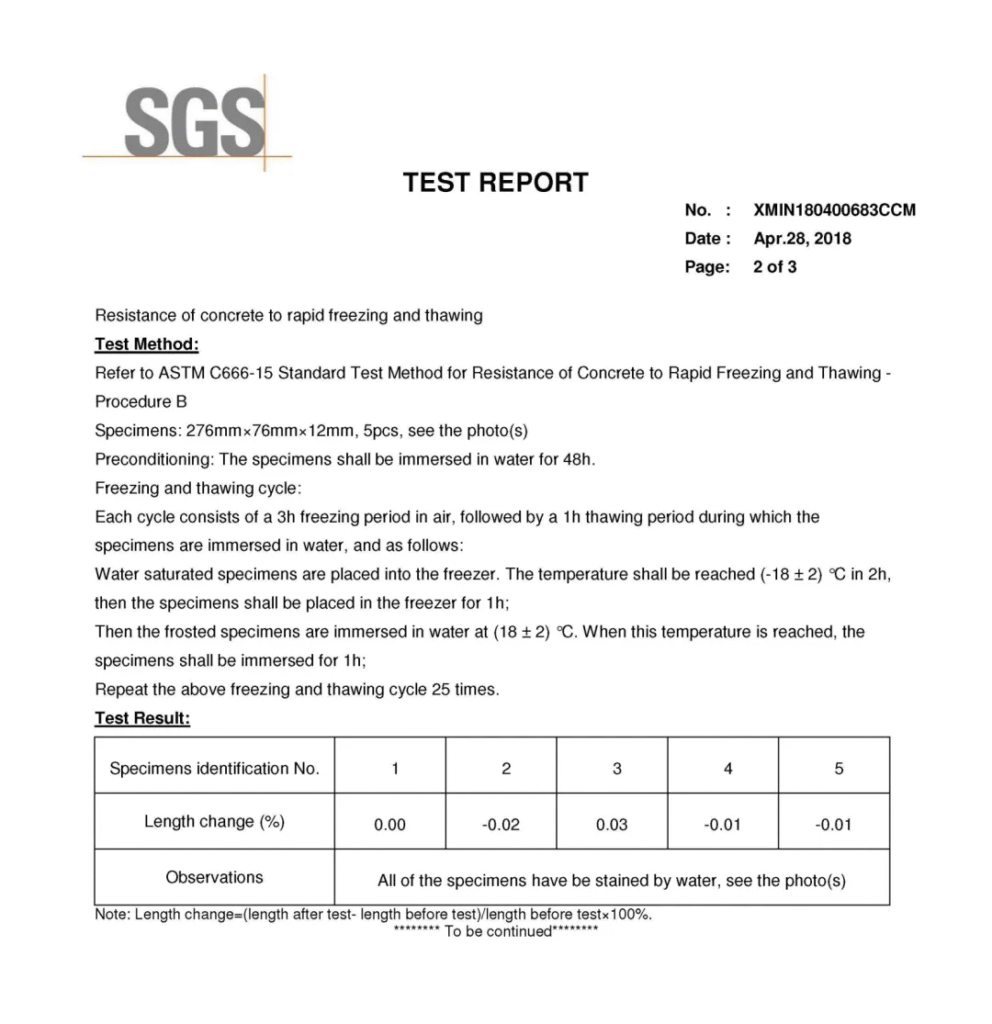
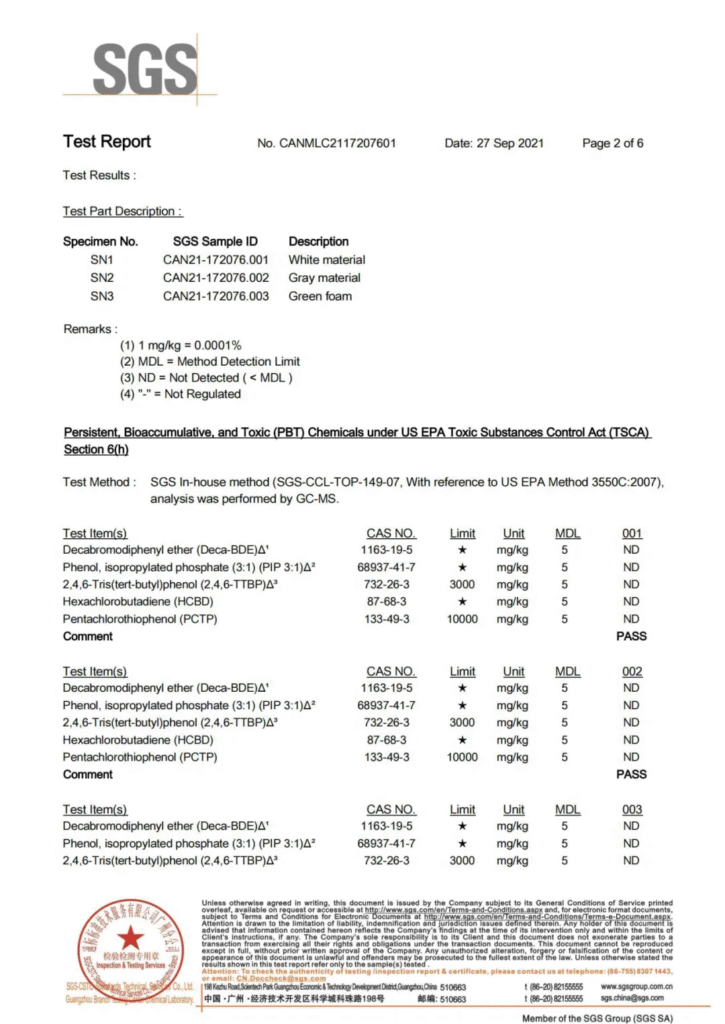
To make procurement smoother, Duolong provides clear documentation aligned with B2B needs, including product datasheets, MSDS, and test reports when available. These materials support tendering, inspection, and customs clearance, saving time and preventing back-and-forth communication. We also support customization for different markets and channels, including board dimensions, colors, edge profiles (square edge, shiplap, tongue-and-groove), as well as OEM labeling and packaging.
From sampling to mass production, our workflow is straightforward: confirm one specification sheet, one packing standard, and one delivery schedule. We can also offer practical container loading suggestions to improve space utilization and reduce transit damage. Choosing Duolong means choosing stable quality, complete documentation, flexible customization, and dependable execution—so your projects and repeat orders are easier to manage.
FAQ Questions and Answers
What are the most common XPS exterior wall insulation problems?
Debonding/hollow spots, joint cracking or “ghosting,” thermal bridging, moisture/condensation risk, board movement under wind load, UV jobsite degradation, and fire compliance/detailing issues.
How can I prevent XPS boards from debonding or sounding hollow?
Ensure the substrate is clean, sound, and flat; use a foam-safe, system-approved adhesive; follow required adhesive coverage patterns; and add mechanical fasteners where the design requires (especially in wind zones).
Why do cracks or lines appear along XPS board joints after finishing?
Typically due to gaps, misaligned boards, non-staggered joints, or missing/incorrect reinforcement layers. Tight joints, staggered layout, gap filling, and system-approved mesh/base-coat detailing reduce this risk.
How do I reduce thermal bridging when using XPS on exterior walls?
Maintain continuous insulation at slabs, columns, and returns; limit highly conductive penetrations; and optimize fastener type and spacing. Pay special attention to transitions and balcony/slab edges.
Does XPS cause condensation or moisture problems inside the wall?
Condensation is usually caused by air leakage and an incorrect vapor/drainage strategy, not by XPS alone. Control air leakage, detail the WRB/drainage layer correctly, and confirm vapor control based on climate zone and indoor humidity.
What is the right way to treat gaps between XPS boards?
Keep seams tight; fill small gaps with compatible foam/sealant; avoid creating continuous air paths; and follow the wall-system guidance for joint taping or additional sealing where required.
How do I choose the correct XPS thickness for an exterior wall?
Thickness should meet the target U-value/R-value and control condensation risk for your climate zone. Confirm with the full assembly (cladding, cavity/ventilation, WRB, structure, interior layers), not insulation alone.
How do I select the right XPS compressive strength grade for exterior walls?
Choose based on cladding loads, fastening method, substrate flatness tolerance, and handling/impact risk on site. Higher loads or tighter façade flatness requirements typically need higher strength grades.
How long can XPS be exposed to sunlight/weather on site before covering?
Minimize exposure. Prolonged UV can degrade the surface and reduce adhesion performance. Store boards covered and flat, and cover installed boards promptly with the next layer per system guidance.
Is XPS allowed on exterior walls, and what about fire compliance?
Requirements vary by region, building height, and occupancy type. Always verify local code and use a tested/approved wall assembly with required fire-stopping and detailing—fire performance is system-dependent.