

How to Choose an XPS Board Manufacturer
A practical checklist for buyers: quality consistency, documentation, lead time, and export reliability
What Is an XPS Board Manufacturer
An XPS board manufacturer produces extruded polystyrene (XPS) rigid foam insulation boards for applications that require thermal insulation + moisture resistance + compressive strength. The best manufacturers control raw materials, process stability, testing, and shipment protection—not just board output.
Why Choosing the Right Manufacturer Matters
On roofs, floors, and foundations, small performance differences can become expensive problems. The right manufacturer reduces risks such as:
Strength variation that leads to crushing or uneven surfaces
Dimensional inconsistency that causes gaps and thermal bridges
Higher-than-expected water absorption in wet environments
Missing or unclear documents that delay tenders and customs clearance
Unstable lead times that disrupt construction schedules
Top Applications
Roofs (Flat/Inverted Roof Systems)
Priority: moisture resistance + stable compressive strength
Tip: confirm edge profile options and thickness tolerances for tight joints
Under Slab & Foundations
Priority: low water absorption + long-term load performance
Tip: choose compressive strength grade based on soil/load conditions and slab design
Floors (Residential/Commercial/Industrial)
Priority: consistent strength + dimensional accuracy
Tip: ask for batch consistency proof if shipments are split across time
Cold Storage / Refrigerated Rooms
Priority: insulation stability + joint tightness + moisture control compatibility
Tip: confirm documentation and traceability requirements early
Wall Systems (Project-Specified)
Priority: system compatibility + compliance documentation
Tip: confirm local fire/compliance requirements before selecting the grade
Choose Duolong with confidence
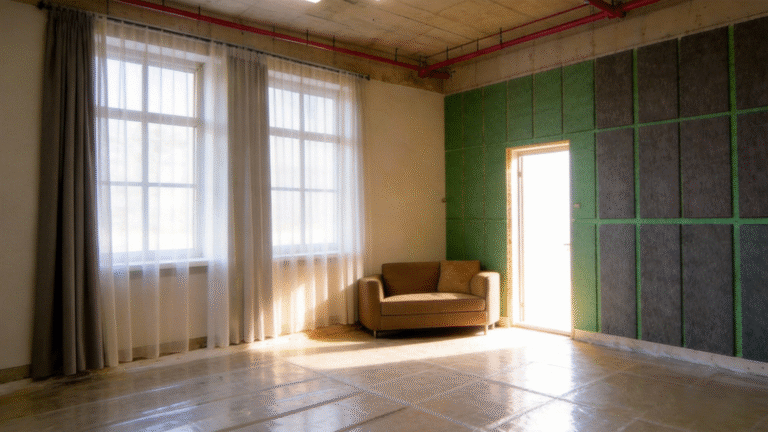
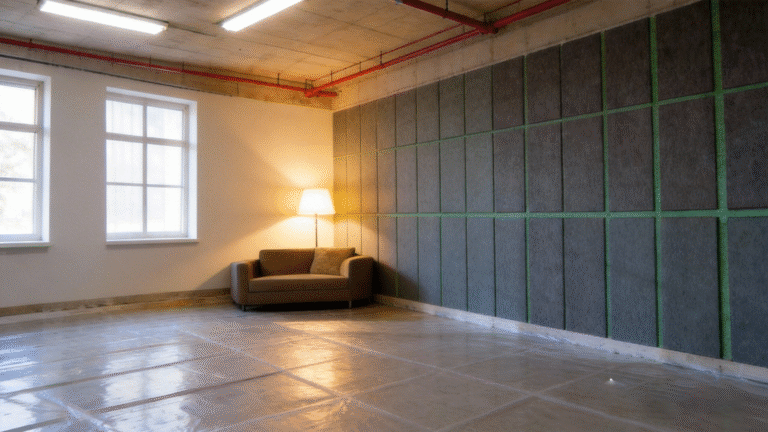
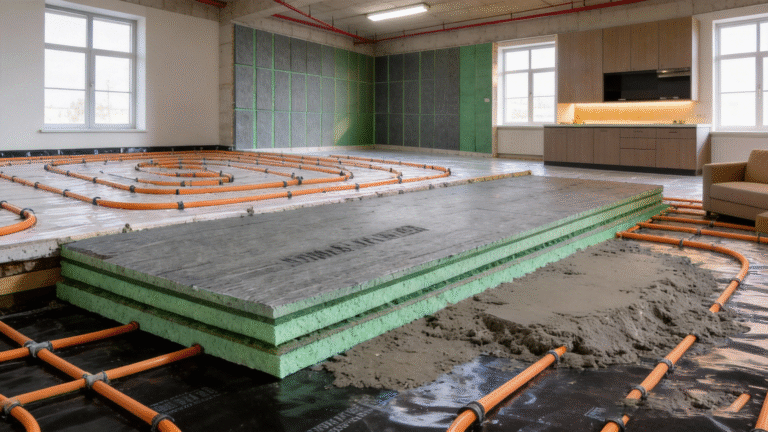
Duolong focuses on the manufacturing and supply of XPS (extruded polystyrene) insulation boards for construction projects, distributors, and export customers. With a closed-cell structure, XPS delivers low thermal conductivity, low water absorption, and strong compressive performance—making it a practical solution for areas that face moisture and long-term loads. Typical applications include inverted and flat roofs, underfloor heating systems, slab-on-grade floors, basement perimeter insulation, foundations, and cold storage facilities where stable insulation and condensation control matter.
At Duolong, we pay close attention to two things buyers care about most: batch consistency and on-time delivery. During production, we control key indicators such as thickness tolerance, density uniformity, and compressive strength, supported by routine inspection and record keeping. This helps contractors install with confidence and helps project owners reduce the risk of performance variation across different shipments.
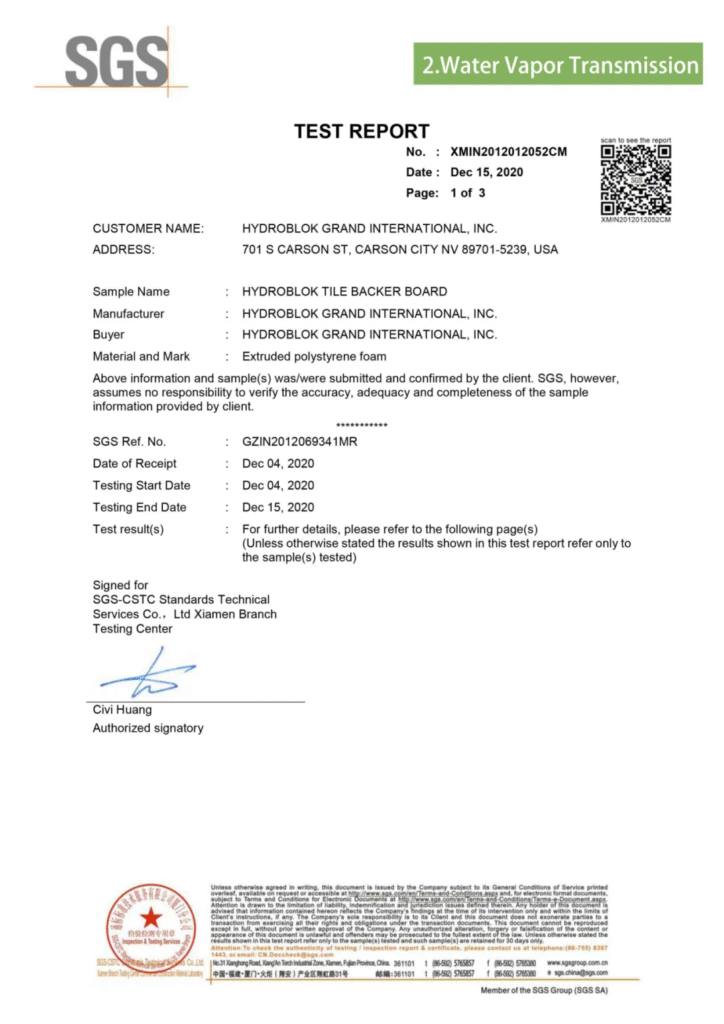
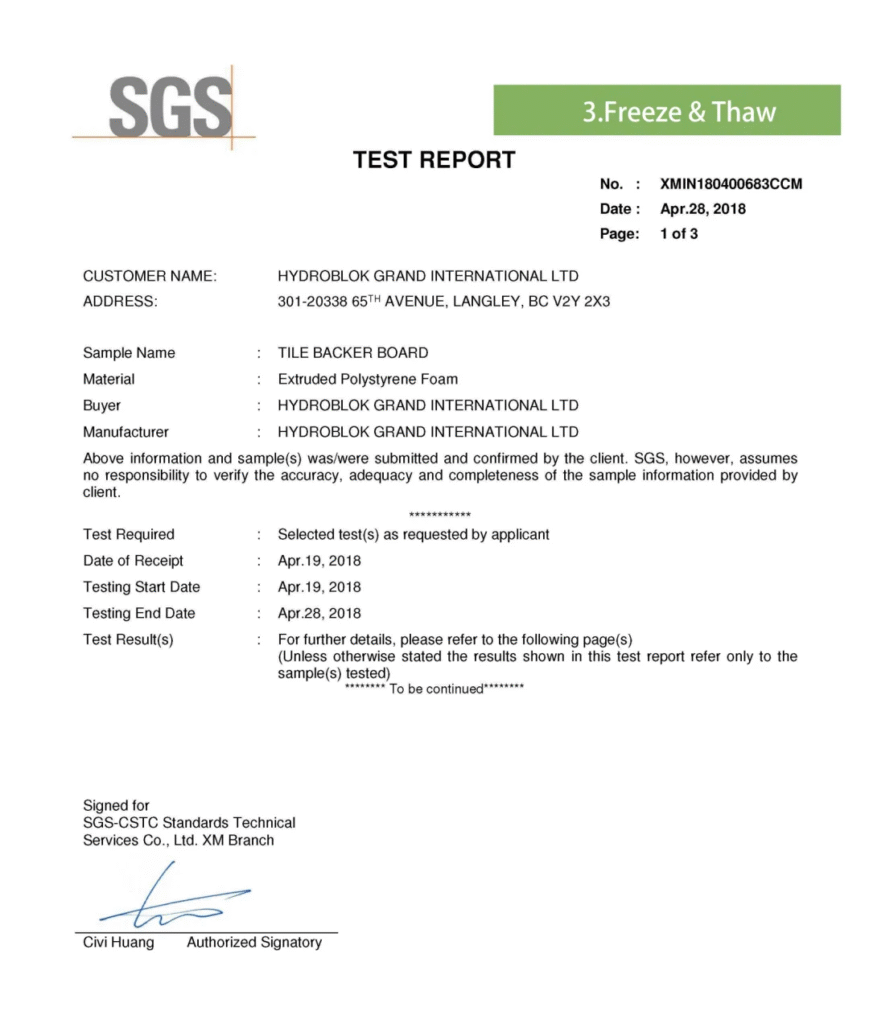
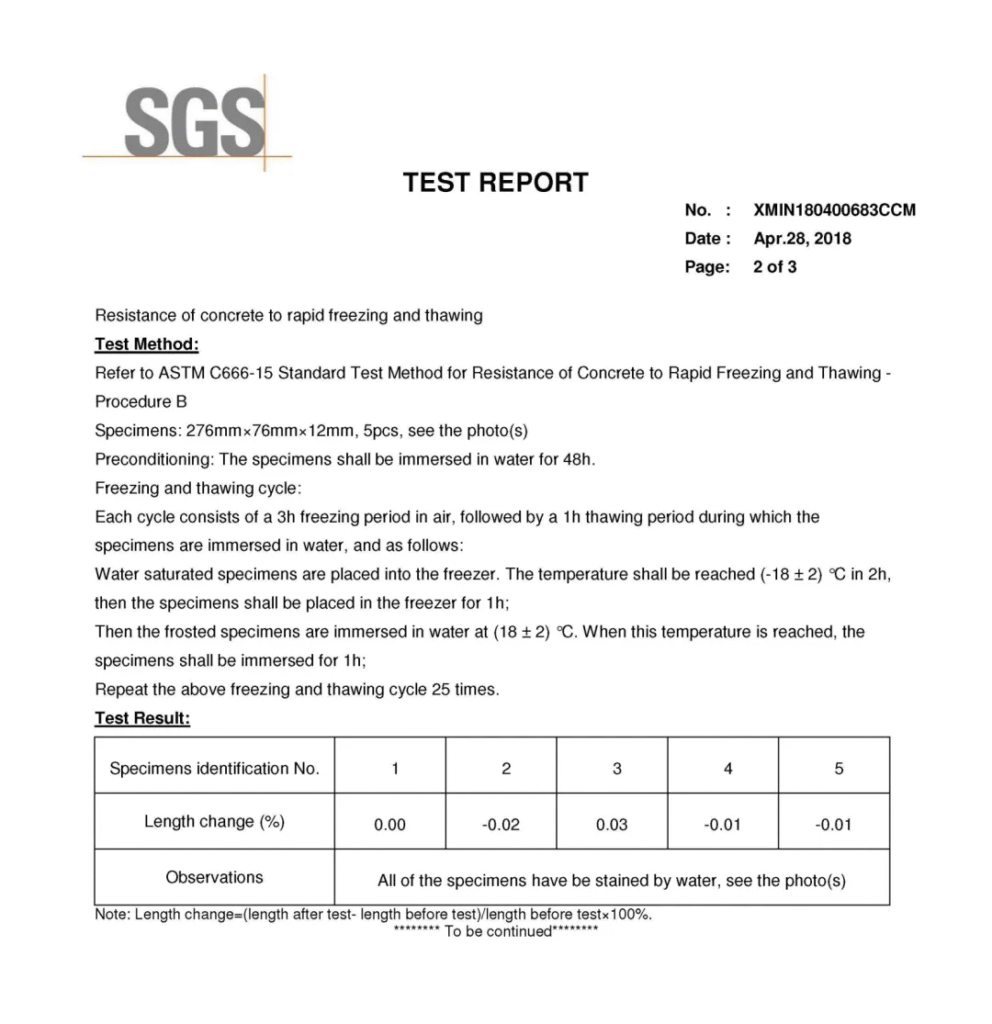
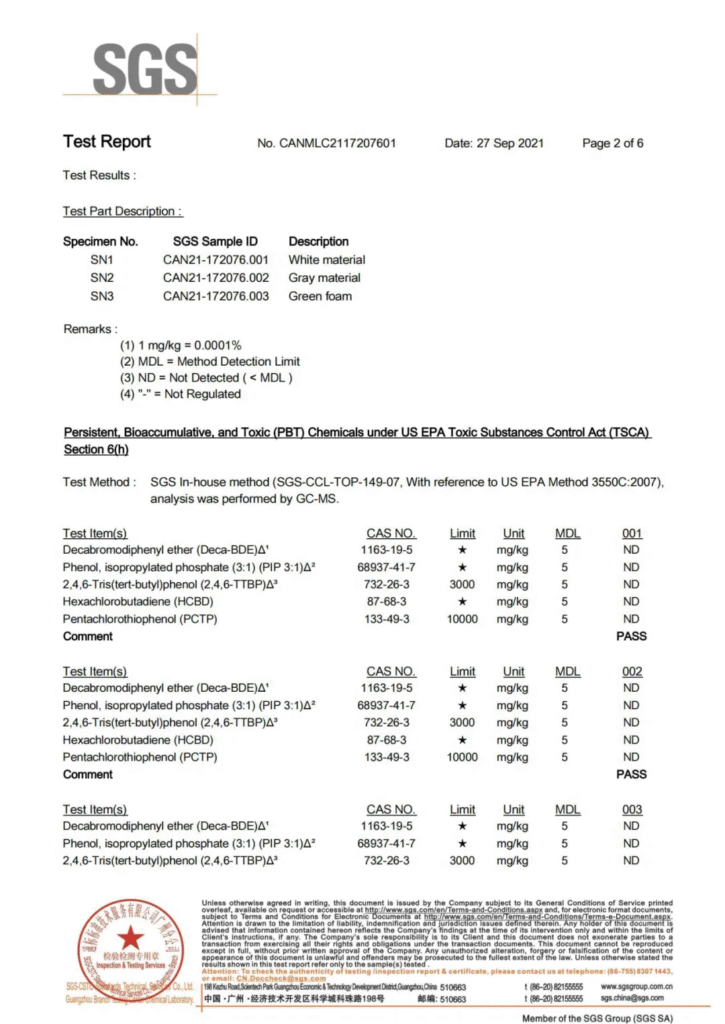
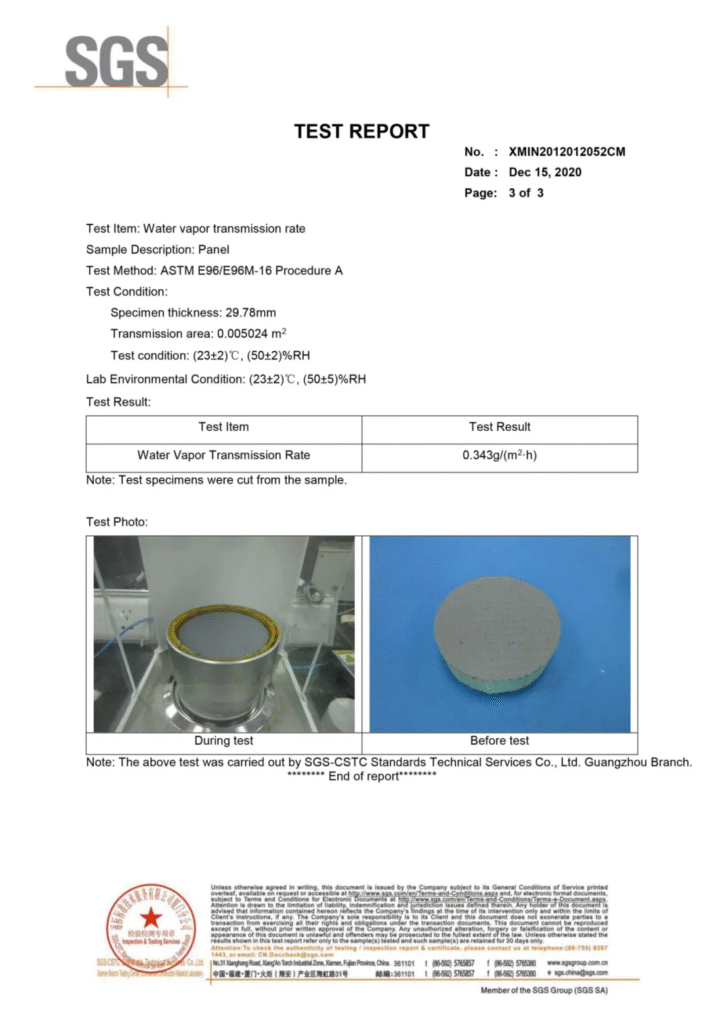
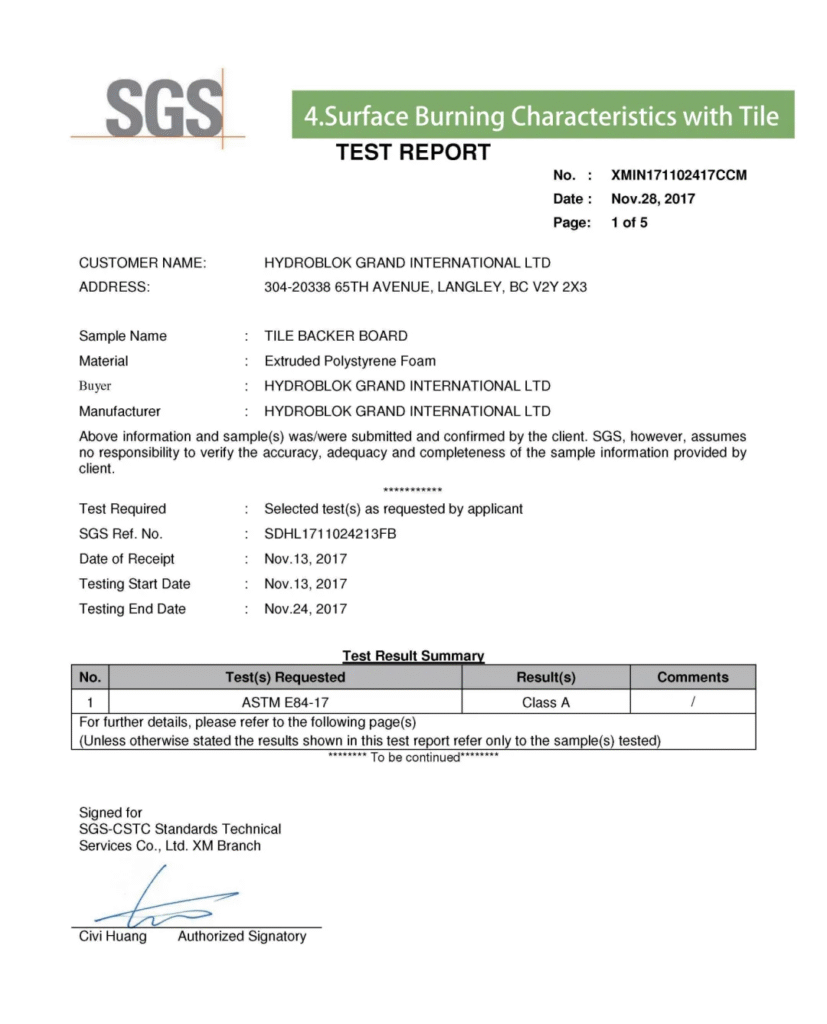
To make procurement smoother, Duolong provides clear documentation aligned with B2B needs, including product datasheets, MSDS, and test reports when available. These materials support tendering, inspection, and customs clearance, saving time and preventing back-and-forth communication. We also support customization for different markets and channels, including board dimensions, colors, edge profiles (square edge, shiplap, tongue-and-groove), as well as OEM labeling and packaging.
From sampling to mass production, our workflow is straightforward: confirm one specification sheet, one packing standard, and one delivery schedule. We can also offer practical container loading suggestions to improve space utilization and reduce transit damage. Choosing Duolong means choosing stable quality, complete documentation, flexible customization, and dependable execution—so your projects and repeat orders are easier to manage.
FAQ Questions and Answers
How do I choose the right XPS board manufacturer?
Choose a manufacturer that can provide verified performance data, stable batch consistency, clear documentation (TDS/SDS), and reliable lead times. Price should be evaluated only after these basics are confirmed.
What compressive strength should I choose for my project?
It depends on the application and expected loads (roof, floor, foundation, cold room). Share your use case and load requirements, and select the appropriate grade to avoid under-specifying or over-specifying.
Is higher density always better for XPS boards?
Not always. Higher density can improve strength, but the best choice is the grade that meets your compressive strength and performance requirements while staying cost-effective.
What key quality indicators should I check before ordering?
Confirm compressive strength, thermal conductivity, water absorption, and dimensional tolerances (thickness/length/width). Ask how these are tested and controlled for each production batch.
How can I verify batch consistency for large or repeat orders?
Request batch numbers, routine inspection records, and tolerance standards. A reliable manufacturer can keep the same specification stable across multiple shipments and provide traceability.
What customization options should a good manufacturer offer?
Common options include thickness, board size, edge profile (square/shiplap/T&G), surface finish (smooth/embossed), color, and OEM labeling/packaging. Confirm all details in a written specification sheet.
What documents should I request for export and customs clearance?
Typically TDS (Technical Data Sheet), SDS/MSDS, packing list, labeling details, and available test reports if required by your market or project specifications.
How do I reduce the risk of shipping damage to XPS boards?
Confirm pallet quality, corner protection, strapping, wrapping, waterproof protection (if needed), and clear labeling. Ask for packaging photos and a container loading plan before shipment.
Can XPS boards be used in wet or below-grade environments?
XPS is commonly used in foundations and below-grade insulation due to its low water absorption. However, correct design and installation details still matter—confirm the required performance for your specific conditions.
What information should I provide to get an accurate quote?
Send your target application, thickness, compressive strength grade, board size, quantity, packing/OEM needs, and destination port/country. This helps the manufacturer quote correctly and avoid specification changes later.