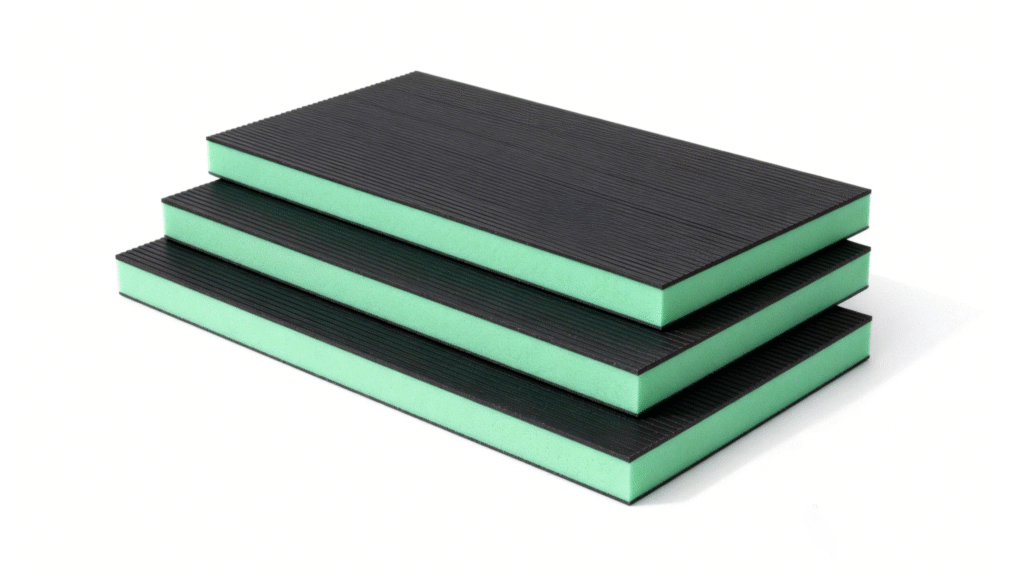
Freeze–thaw problems are frustrating because they rarely show up on day one. A foundation can look perfect at handover, then a season later a corner turns noticeably colder, a damp line appears near the footing, or a small seam starts acting like a permanent water path. From there, the project gets dragged into diagnosis, rework, schedule pressure, and the uncomfortable question of “what actually failed.”
Most of the time, it isn’t one dramatic defect. It’s water sitting where it shouldn’t, combined with repeated temperature swings that gradually pry open joints and weak transitions. This article breaks down what really goes wrong, why the problem usually starts at seams and details, and how to make XPS foundation insulation perform like a durable system—not just a product installed on a wall.
What really goes wrong
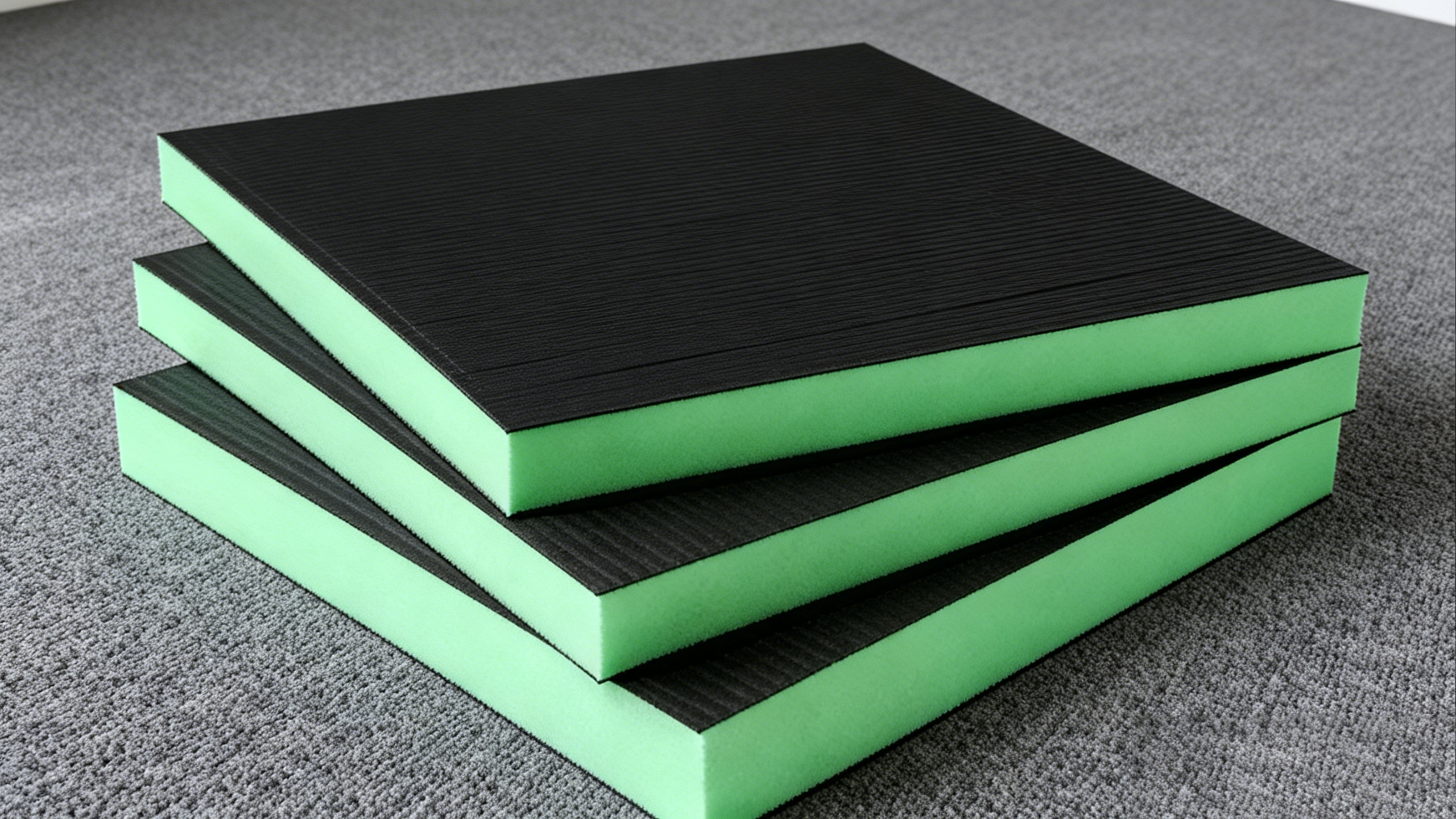
Freeze–thaw damage is rarely a single event. It’s a cycle that starts when water finds a place to sit next to the foundation wall. When temperatures repeatedly move above and below freezing, trapped moisture freezes, expands by about 9%9\%9%, then thaws and moves again. Over time, this cycling widens small gaps at board joints, stresses transitions, and amplifies weak points like corners, terminations near grade, and areas damaged during backfill.
On site, the early warning signs tend to look the same: colder basement zones after the first winter, uneven interior wall temperatures, recurring damp spots near the footing line, and callbacks that trace back to seams, crushed boards, or drainage issues rather than the “middle” of the insulation field.
Why XPS foundation insulation helps reduce freeze–thaw risk
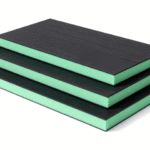
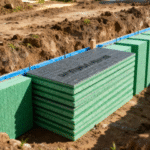
Below grade, insulation has to perform in wet soil, under pressure, for years. XPS (extruded polystyrene) is commonly used for foundation insulation because it is made for conditions where moisture exposure and mechanical stress are expected.
What matters most in freeze–thaw regions is how the board behaves when it’s wet, loaded, and installed across real-world joints. XPS is often selected because it supports more stable below-grade performance in moisture-prone environments, offers compressive strength options for backfill and soil loads, and tends to keep its shape well enough to help joints stay tight. Tight joints reduce the easy pathways where water can enter, sit, and repeatedly freeze.
What to specify so performance lasts beyond the first winter
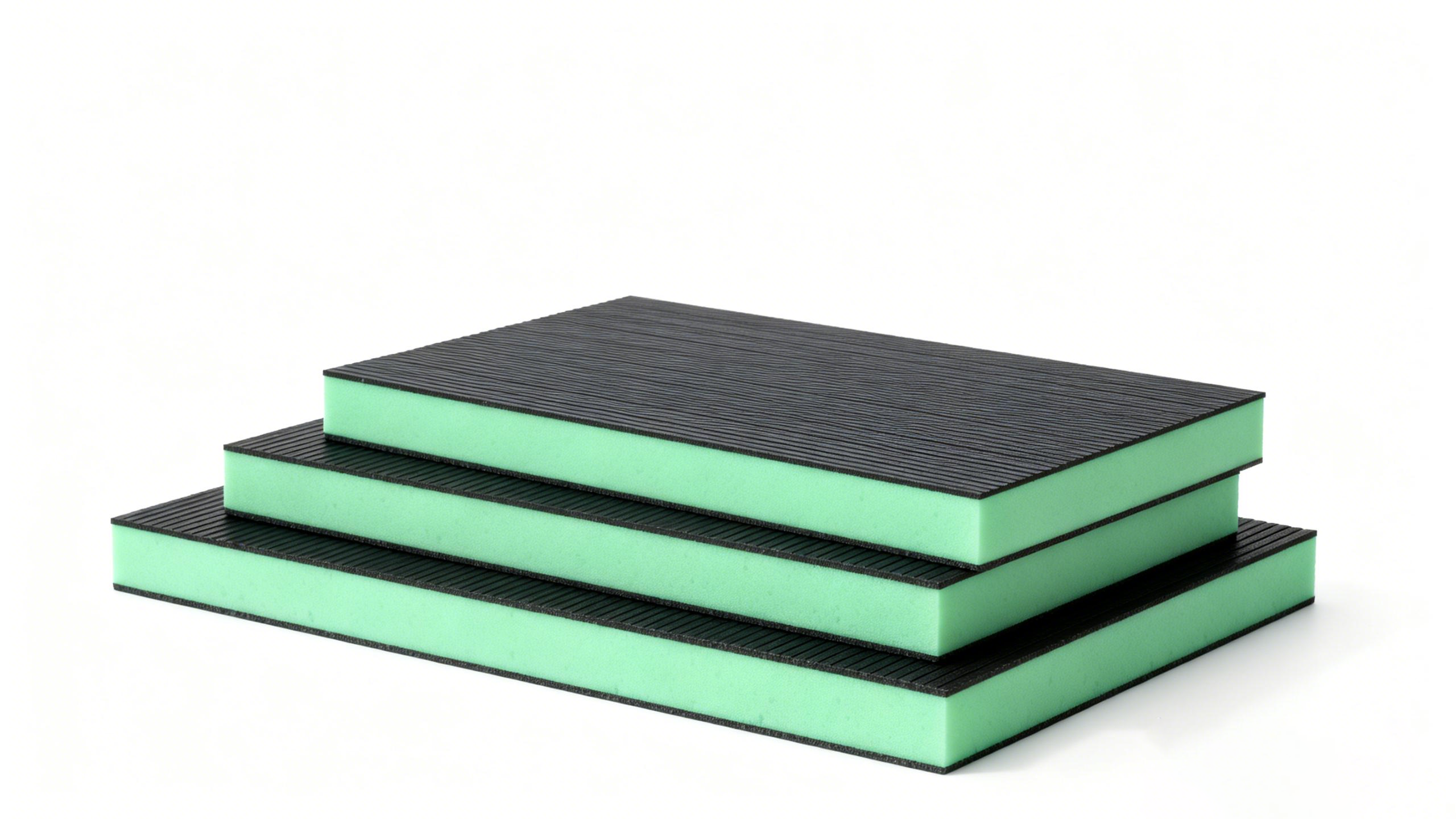
Many freeze–thaw problems start at procurement, not installation. If the specification is vague, substitutions happen, and the assembly becomes a gamble. A good below-grade XPS specification reads like a checklist that prevents “close enough” materials from showing up on site.
Start by defining the application zone clearly: below-grade foundation wall, slab edge, perimeter insulation, or frost zone details. Then set thickness based on local energy targets and comfort/condensation control goals, because “meets R-value” does not always mean the basement will feel warm if edges and transitions are weak.
Next, match compressive strength to jobsite reality. Backfill method, depth, soil type, and equipment use should drive the grade selection. If boards get crushed or gouged during backfill, continuity is broken and freeze–thaw risk rises immediately. Include board format details that influence joint quality, such as edge type (square, shiplap, tongue-and-groove where available), board size, and dimensional tolerances.
For verification and approvals, many projects reference ASTM C578 (North America) or EN 13164 (EU) to keep requirements objective and testable. Using a recognized standard helps purchasing, QA, and inspectors confirm the delivered product matches the specification.
Installation details that prevent freeze–thaw problems
Freeze–thaw prevention below grade is mainly about two things: keeping water from lingering and keeping the insulation layer continuous. That means the system is only as strong as its joints, transitions, and water management.
Before boards go up, the wall surface and waterproofing or dampproofing layer should be ready: continuous, properly cured, and compatible with the chosen attachment method. Corners, penetrations, and the wall-to-footing transition deserve extra attention because that’s where leakage paths often start.
During board installation, use a layout that avoids long uninterrupted vertical seams. Keep boards tight, avoid forced fitting around irregularities, and treat corners carefully. If the project requires joint sealing, use materials compatible with the waterproofing system and suitable for the expected temperatures. Attachment methods should avoid creating unnecessary penetrations that compromise the water-control layer.
Drainage is the difference between “insulated” and “durable” in freeze–thaw zones. A drainage mat/board, functioning footing drains, appropriate filter fabric where required, and free-draining backfill all reduce how long water sits against the foundation wall. Less water dwell time means fewer freeze–thaw cycles acting on the same spot.
Finally, protect the insulation during backfill. Many failures are created after insulation is installed. Backfill in lifts, avoid sharp rocks and debris against the boards, and use protection layers where specified so boards don’t crack at corners or shift out of position.
Fast field checks when problems show up
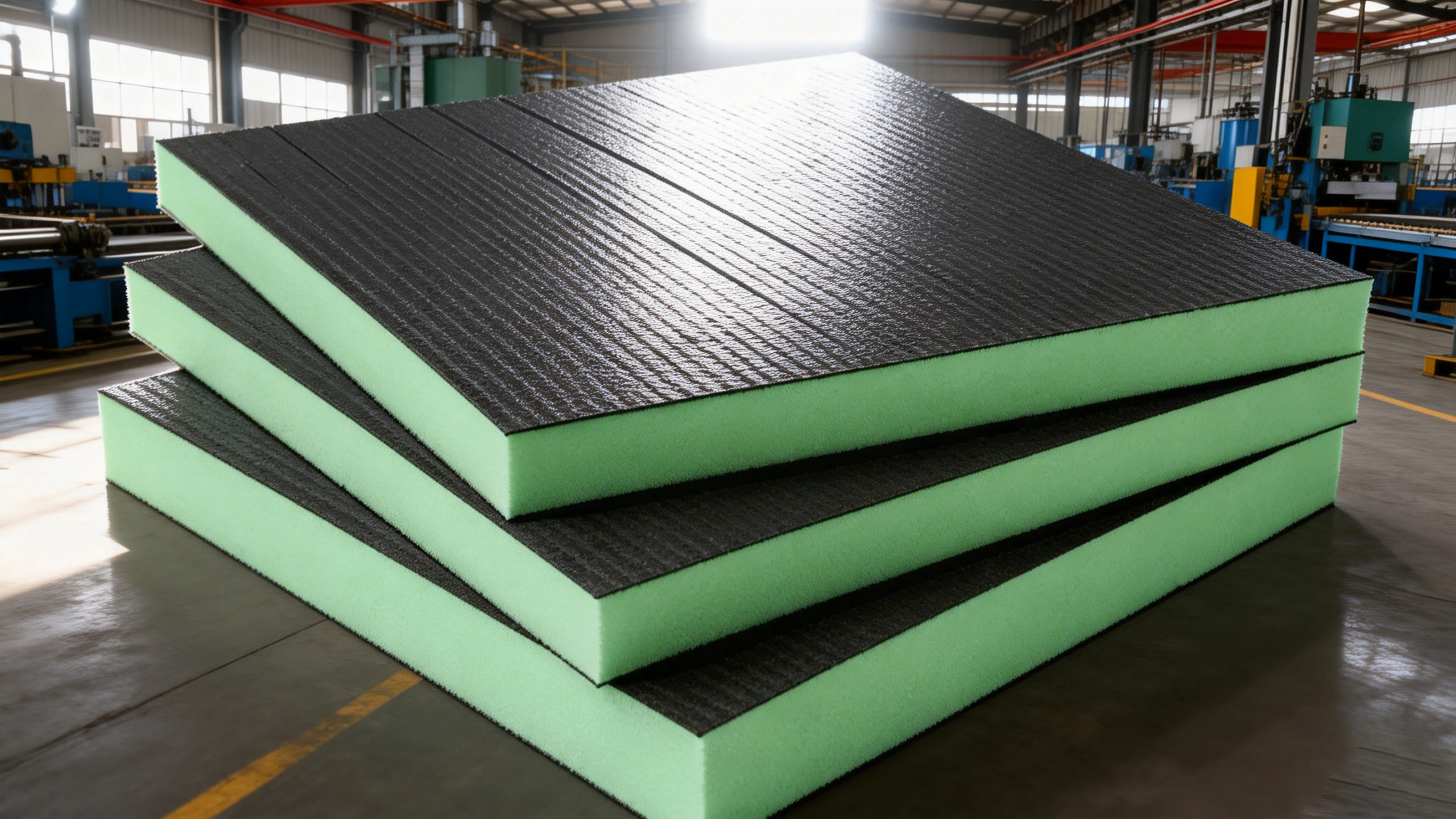
When a basement still feels cold, start by checking continuity. Cold stripes or cold corners often point to missing sections, displaced boards, crushed areas after backfill, or seams lining up into a thermal bridge. Focus first on corners, slab edge/rim transitions, and near-grade terminations.
If performance drops after one or two winters, look for water management failures. Common culprits include clogged footing drains, poor grading that directs surface water toward the wall, missing drainage layers, or termination details that allow water behind the insulation.
If there is localized dampness near the footing line, check the wall-to-footing junction, penetrations, and the condition of waterproofing. A small discontinuity can create a repeatable wetting path that becomes a freeze–thaw hotspot.
If boards are visibly damaged after backfill, treat it as a design and process issue: strength grade mismatch, lack of protection, or poor backfill material and methods. Mechanical damage creates voids, voids hold water, and water drives freeze–thaw cycling.
Who is a good fit to work with an XPS manufacturer, and what value they get
Distributors and wholesalers are a strong fit when they need consistent product grades, clear labeling, stable packaging, and fewer returns. Consistency reduces disputes and makes warehouse handling and customer service simpler.
Foundation and waterproofing contractors are a strong fit when they want fewer callbacks. Boards that arrive with consistent dimensions, appropriate strength grades, and clear documentation make it easier to install tight joints and maintain continuity through backfill.
Developers and general contractors are a good fit when schedules and multi-site supply reliability matter. Consistent lead times, defined product grades, and documentation that matches project requirements reduce substitution risk and keep the job moving.
Engineers and specifiers are a good fit when they need standard-aligned documentation and traceability. Referencing common standards such as ASTM C578 or EN 13164 makes it easier to write clear specs and verify compliance during QA.
As a professional XPS insulation board manufacturer supplying B2B customers, the practical value includes controlled production for consistent grades, data sheets and labeling for verification, export-ready packaging, and support for OEM/private-label needs. For below-grade projects in freeze–thaw regions, that consistency is what helps the insulation system perform beyond the first winter, not just look correct on installation day.
If you’re buying XPS for below-grade foundations in freeze–thaw climates, the real target isn’t “boards delivered.” It’s consistent, verifiable performance after multiple winters. That shifts the supplier evaluation away from price-only comparisons and toward control, documentation, and repeatability.
The supplier should offer clearly defined, stable product grades—especially compressive strength, thickness tolerance, edge quality, and board consistency—so the installation doesn’t turn into a patchwork of mixed performance. Documentation matters just as much: data sheets, labeling, and batch traceability aligned with common frameworks such as ASTM C578 or EN 13164 make it easier to write clean RFQs, inspect deliveries, and close out QA without arguments.
Reliability at delivery is another deciding factor: predictable lead times, export-ready packaging, low damage rates, and packaging that supports handling and site storage reduce the risk of forced substitutions and rushed installation. Finally, the best suppliers don’t just ship material—they help match compressive strength and board format to actual job conditions like backfill method, depth, and protection layers. That’s where freeze–thaw risk is often won or lost: fewer crushed boards, fewer opened seams, less trapped water, and fewer callbacks.